Space Waves beginner’s guide: Learn controls and survive
This Space Waves beginner’s guide helps new players understand the game before the tunnels become too fast or too narrow. The guide starts with the basic tap-and-release control, then explains why short taps are safer than long presses.
This Space Waves beginner’s guide also covers centered movement, early path reading, rhythm timing, and calm micro-adjustments in tight sections. These habits help beginners avoid panic and move through obstacles with better control.
This Space Waves beginner’s guide then explains how Endless Mode, harder levels, and repeated practice can build muscle memory over time. Read the full article below from Space Waves and start your first runs with a clearer plan.
What this Space Waves beginner’s guide covers
This Space Waves beginner’s guide covers the core things new players need first: controls, movement habits, timing, practice, and common mistakes. It is written for players who understand the goal but still crash often in tight spaces.
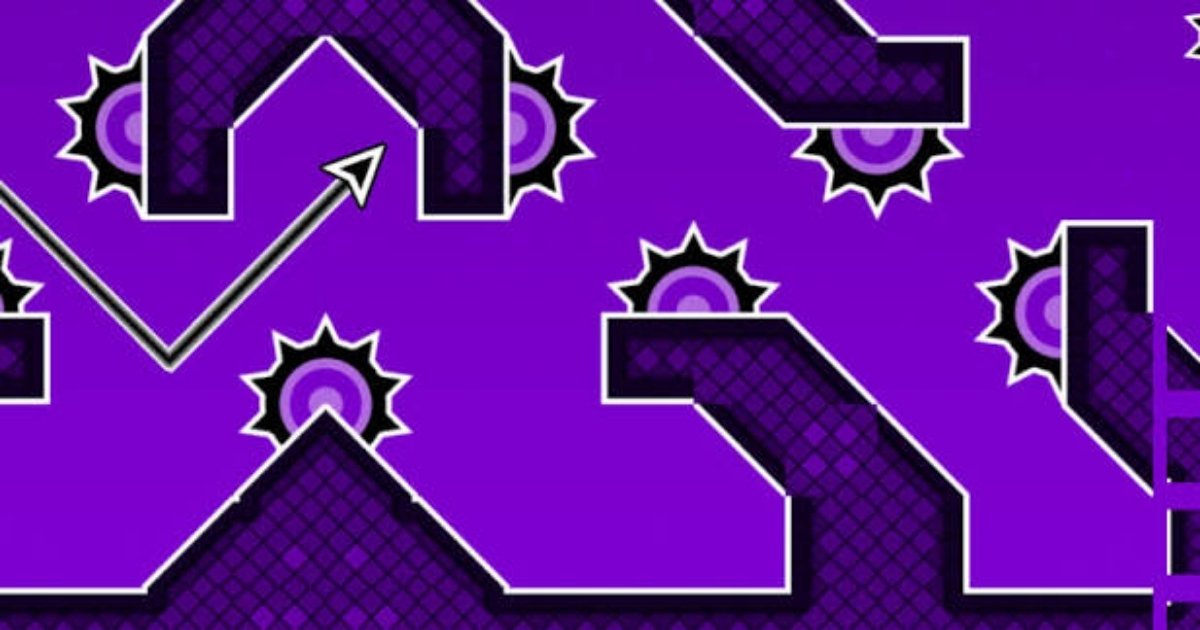
Space Waves is an arcade-style, rhythm-based obstacle game where you control a zig-zagging arrow or ship through trap-filled levels. The main challenge is to dodge spikes, moving walls, narrow gaps, and sudden turns without losing control.
The game is easy to start because it uses simple controls. However, this Space Waves beginner’s guide matters because surviving longer requires patience, precision, and muscle memory.
Learn the basic goal first
The basic goal in Space Waves is to guide the arrow through dangerous tunnels without touching obstacles. Every movement matters because one crash can end the run immediately.
This Space Waves beginner’s guide begins with that simple idea because many new players rush too soon. They focus only on passing the next obstacle instead of learning how the arrow moves.
A better approach is to understand the rhythm of rising and falling. Once the movement feels familiar, harder sections become easier to read and less stressful.
A broader Space Waves guide can help players connect these beginner basics with the full game structure, modes, and long-term practice habits.
How the controls work
The controls in this Space Waves beginner’s guide are simple. Tap or hold to make the arrow move diagonally upward, then release to let it descend diagonally downward.
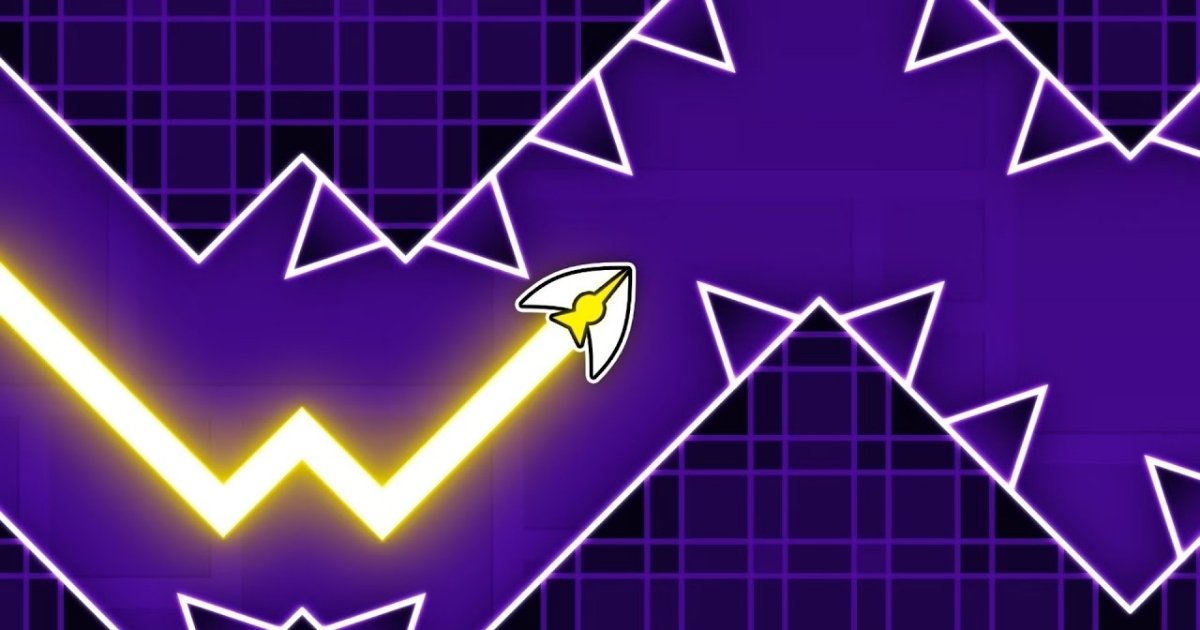
The arrow keeps moving forward, so you are not steering in a normal left-and-right way. You are controlling height, angle, and timing through each tap and release.
Beginners often crash because they hold too long. A long press may clear one hazard, but it can also send the arrow into the next wall or ceiling trap.
This Space Waves beginner’s guide recommends learning the control sensitivity before chasing speed. If you understand how much each tap moves the arrow, you will make fewer rushed corrections.
Use short taps for safer movement
Short taps are the first real skill in this Space Waves beginner’s guide. Small, quick inputs give better control because they are easier to correct before the next obstacle appears.
Heavy presses usually make the arrow overcompensate. The movement becomes too sharp, and the next gap becomes harder to enter safely.
Think of each tap as a small adjustment, not a big command. The goal is to guide the arrow through the path with steady control.
This habit is especially important in narrow tunnels. Short taps help beginners survive tight squeezes without making wild movements.
Stay centered whenever possible
Staying centered is one of the easiest lessons in this Space Waves beginner’s guide. When the arrow stays near the middle of the path, you have more room to move up or down.
If the arrow is too high, a ceiling spike or upper wall can end the run quickly. If the arrow is too low, a floor trap or rising slope can leave no time to recover.
Centered movement does not mean flying in a perfectly straight line. It means returning to a safer middle position whenever the route gives you enough space.
New players should practice this often. A centered arrow gives more reaction time and makes sudden obstacles feel less impossible.
Focus ahead instead of staring at the arrow
This Space Waves beginner’s guide recommends looking slightly ahead of your arrow. Staring directly at the arrow often causes late reactions because the next obstacle reaches you before you are ready.
Try to read one or two obstacles ahead. This helps you notice upcoming twists, narrow passages, spikes, and moving walls before they become urgent.
When you look ahead, each tap becomes more planned. You can prepare the next rise or release instead of reacting in panic.
Early path reading is also useful because it makes the game feel less random. Many difficult sections become easier once you recognize what is coming.
Use rhythm to guide your timing
Space Waves has a rhythm-based feel, so this Space Waves beginner’s guide encourages players to listen to the pace of the game. The background beat can help make tapping feel more natural.
Rhythm should support your visual focus, not replace it. You still need to watch the tunnel, but the beat can help your hands stay calm and consistent.
When a section repeats, try to notice the timing between taps. Your hands will slowly learn when to rise, release, and correct.
If your timing feels messy, slow down mentally. A steady rhythm usually works better than fast tapping without control.
Beginner checklist for cleaner runs
The best habits in this Space Waves beginner’s guide are simple. Use this checklist when your runs feel rushed, unstable, or frustrating.
- Use short taps: Light inputs give better control and reduce overcorrection.
- Stay centered: A middle position gives more room to dodge sudden hazards.
- Look ahead: Reading the next obstacles helps you prepare earlier.
- Follow the rhythm: The beat can support smoother timing in repeated sections.
- Make micro-adjustments: Small corrections are safer than wild movements in tight gaps.
- Practice in short sessions: Focused attempts usually work better than angry restarts.
- Learn from crashes: Each failed run can show which tap, angle, or reaction needs improvement.
This Space Waves beginner’s guide does not ask players to master everything at once. Start with short taps first, then build centered movement, early reading, and rhythm control over time.
Do not panic in tight mazes
Tight maze sections are where many beginners lose control. The space becomes narrow, obstacles appear above and below, and the arrow feels harder to guide.
This Space Waves beginner’s guide recommends staying calm and searching for the smallest safe gap. Wild movements usually make the arrow crash faster.
Use micro-adjustments instead. Short, light taps can help the arrow pass through tight spaces without jumping too high or dropping too low.
Many advanced Space Waves tricks begin with this same idea: move less, control more, and let small adjustments carry the run.
Use Endless Mode to build confidence
Endless Mode can be useful for beginners because it gives more chances to practice reactions. Instead of worrying only about finishing a set level, players can focus on surviving longer.
This Space Waves beginner’s guide suggests using Endless Mode to build rhythm and control before moving into harder, faster stages. Longer runs help your hands learn the rise-and-fall movement more naturally.
Endless Mode also teaches recovery. After a near miss, you need to return to the center quickly instead of panicking.
That calm recovery is important in every mode. Beginners who learn to reset after a close call usually improve faster than players who rush the next move.
Practice patience and muscle memory
Space Waves rewards practice because the controls become easier once your hands understand the timing. This Space Waves beginner’s guide treats muscle memory as one of the biggest parts of improvement.
At first, every obstacle may feel sudden. After repeated attempts, your hands begin to recognize the rhythm of common patterns.
Patience matters because progress is not always smooth. Some sections may take many attempts before they feel natural.
For extra improvement, beginners can combine this article with practical Space Waves tips that focus on cleaner tapping, better reactions, and safer movement habits.
Common beginner mistakes to avoid
The first common mistake is holding too long. This usually sends the arrow too high and makes the next obstacle harder to survive.
The second mistake is staring only at the arrow. Beginners who do this often react late because they are not reading the path ahead.
Another mistake is panicking in tight sections. Panic causes heavy taps, broken rhythm, and repeated crashes in the same place.
This Space Waves beginner’s guide recommends fixing one mistake at a time. A small improvement in tapping or focus can make a big difference across a full run.
How to improve after each crash
Crashing is part of learning Space Waves. The important thing is to understand why the crash happened instead of restarting without thinking.
Ask one simple question after each failed run. Did you tap too long, react too late, enter the gap from the wrong height, or panic in a tight section?
This Space Waves beginner’s guide turns each crash into feedback. Once you know the cause, the next attempt has a clearer purpose.
Small corrections add up. A lighter tap, earlier release, or calmer entry angle can help beginners pass sections that once felt impossible.
FAQs about Space Waves beginner’s guide
Is Space Waves easy for beginners?
Space Waves is easy to start because the controls are simple. However, beginners may need practice because timing, rhythm, and tight obstacle gaps can become challenging quickly.
What should beginners learn first in Space Waves?
Beginners should learn short taps first. Light inputs make the arrow easier to control and help players avoid crashing from overcorrection.
Should beginners play Endless Mode?
Yes, Endless Mode can help beginners practice reactions and recovery without focusing only on finishing a fixed level. It is useful for building confidence and rhythm.
Why do beginners crash so often?
Most beginners crash because they hold too long, react late, or panic in narrow sections. Better tapping and early path reading usually reduce these mistakes.
How long does it take to get better at Space Waves?
Improvement depends on practice and focus. Short, consistent sessions can help players build timing and muscle memory faster than long frustrated attempts.
Final thoughts on this Space Waves beginner’s guide
This Space Waves beginner’s guide shows that new players do not need complicated strategies to improve. Short taps, centered movement, early path reading, rhythm timing, and calm micro-adjustments can make every run feel cleaner and more controlled.
Now put this Space Waves beginner’s guide into practice and start a new run. Play Space Waves today, test your timing, stay calm through each tunnel, and keep chasing a better personal best.