Space Waves guide: Controls, modes, and better runs today
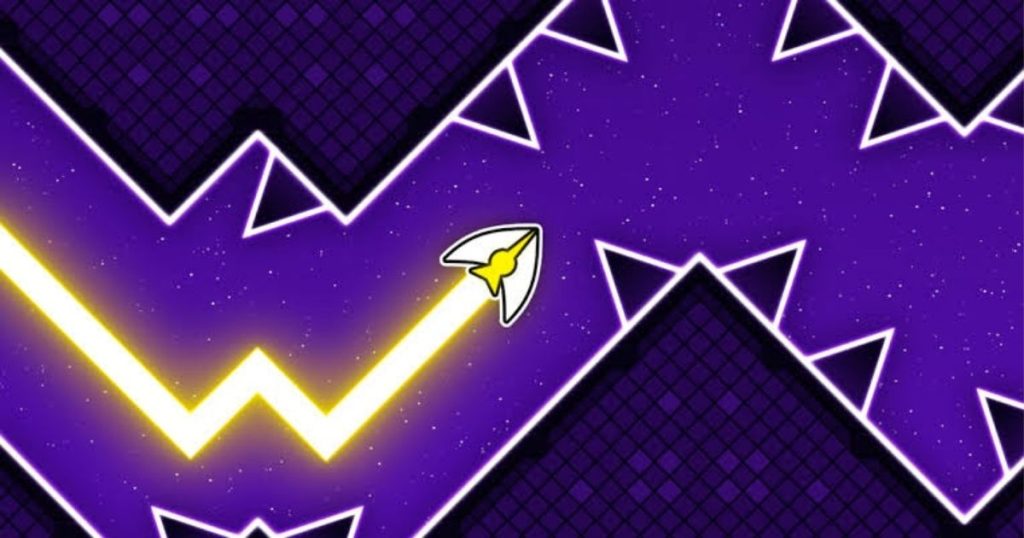
This Space Waves guide explains how the game works, why the one-button control feels simple, and why mastering it takes real timing. The guide starts with the basic rise-and-fall movement, then shows how short taps help players avoid overcorrection.
This Space Waves guide also covers centered movement, early path reading, rhythm timing, and tighter zigzag control. It explains how Classic Mode, Endless Mode, and Race Mode can require slightly different habits.
This Space Waves guide then moves into practice methods, common beginner mistakes, and safer ways to handle difficult sections. Read the full article below from Space Waves and start building cleaner runs with more control.
What this Space Waves guide covers
This Space Waves guide is built for players who want a clear starting point before chasing harder levels or longer survival runs. Space Waves is a rhythm-based arcade game where players guide a moving arrow through narrow passages and geometric obstacles.
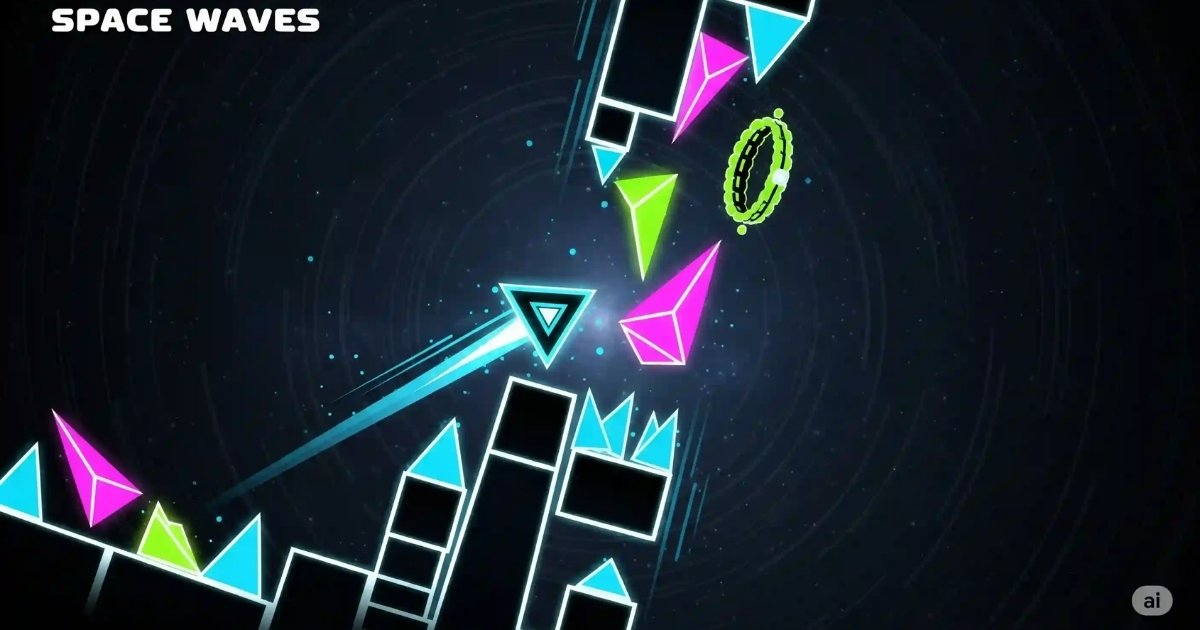
The challenge comes from timing each rise and fall without touching walls, spikes, slopes, gears, or other hazards. The game may look minimal, but it quickly becomes a test of focus, reflexes, and patience.
This Space Waves guide focuses on practical control instead of complicated theory. The goal is to help players understand what to do, why crashes happen, and how to improve one habit at a time.
How Space Waves controls work
The core control in this Space Waves guide is easy to understand. Tapping or holding makes the arrow move diagonally upward, while releasing makes it descend diagonally downward.
The arrow keeps moving forward, so players do not control speed in the usual way. Instead, they control height, angle, and timing through very small input changes.
This is why Space Waves can feel easy for the first few seconds but difficult once the path becomes narrow. Holding too long sends the arrow too high, while releasing too late can drop it into the lower wall.
A strong Space Waves guide should make this clear early. The game is not about pressing harder; it is about pressing with better timing.
Why short taps are the first skill
Short taps are the first major skill in this Space Waves guide because they give players more control. A quick tap creates a small movement, which is easier to correct before the next obstacle arrives.
Long holds often cause overcorrection. You may dodge one wall, but the arrow can enter the next gap from a dangerous angle.
Beginners should practice light taps before trying fast or advanced routes. Clean movement starts when the arrow feels guided instead of forced.
Players who already know basic Space Waves tips will notice that short taps appear again and again because they are the foundation of stable control.
How to stay centered and read ahead
Centered movement is one of the most important lessons in this Space Waves guide. When the arrow stays near the middle of the path, players have more room to move up or down.
If the arrow gets too close to the ceiling, even a small tap can cause a crash. If it stays too low, a rising slope or lower hazard can trap it before there is time to recover.
Staying centered does not mean flying in a perfect straight line. It means returning to a safer middle position whenever the route gives you enough space.
This Space Waves guide also recommends looking ahead instead of staring only at the arrow. Reading one or two obstacles early gives you more time to prepare the next tap.
Use rhythm without losing visual focus
Space Waves has a rhythm-based feel, so timing can become easier when players follow the beat. Some turns and obstacle patterns may feel more natural when your taps match the pace of the section.
This Space Waves guide treats rhythm as support, not as a replacement for visual focus. You still need to watch the path carefully, because every tunnel shape can demand a different movement.
When a section repeats, try to notice the rhythm between each tap and release. Your hands will slowly learn the pattern, and the run may begin to feel smoother.
If the rhythm feels messy, slow your inputs down. A calm tap pattern is usually safer than fast tapping without control.
Classic Mode, Endless Mode, and Race Mode
This Space Waves guide separates the main modes because each one changes how players should think. Classic Mode is usually about clearing levels that become harder as you progress.
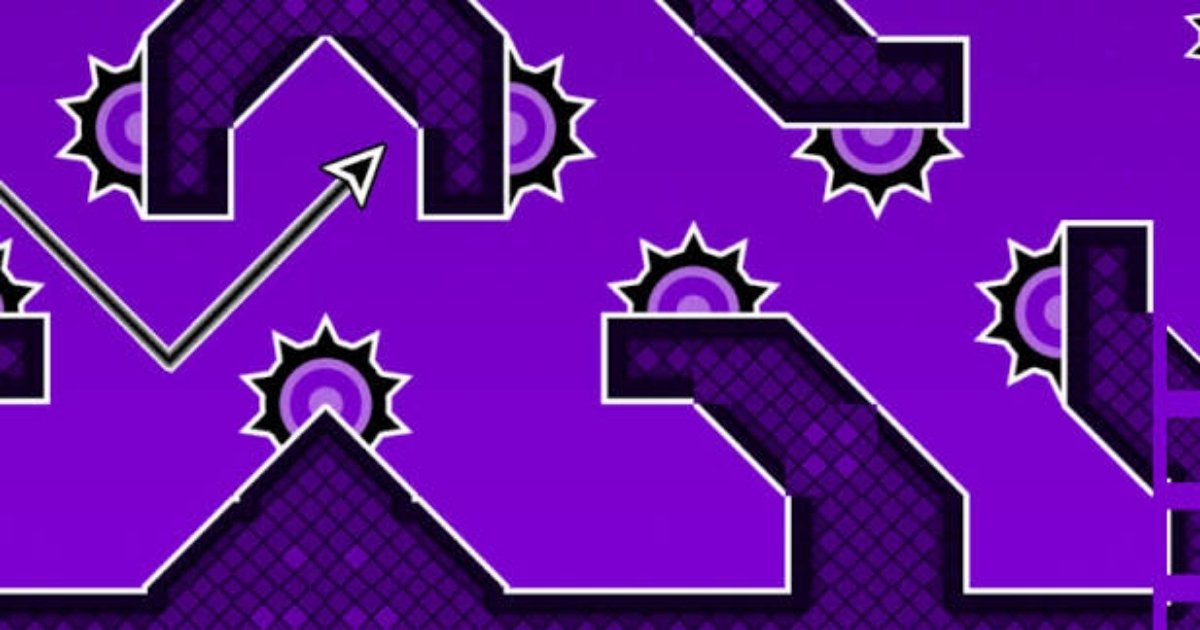
In Classic Mode, layout memory matters. Repeated attempts help you remember where tight turns, sudden drops, and dangerous obstacle chains appear.
Endless Mode is different because survival matters more than reaching a fixed finish. Players need steady focus, clean recovery, and patience after near misses.
Race Mode adds pressure because players compete against opponents and try to finish strongly. Even in Race Mode, this Space Waves guide recommends control before risky speed.
Core Space Waves guide checklist
The best habits in this Space Waves guide are simple, but they become powerful when used together. Use this checklist when your movement feels rushed or inconsistent.
- Use short taps: Light inputs help prevent overcorrection and keep movement easier to adjust.
- Stay near the center: A balanced position gives more escape space when hazards appear quickly.
- Look ahead: Reading the next obstacles early helps you move before danger reaches the arrow.
- Follow the rhythm: A steady beat can support timing in repeated or fast sections.
- Use small zigzags: Tight tunnels are easier when the arrow moves in controlled pulses.
- Practice layouts: Repeated attempts help turn difficult sections into familiar patterns.
- Take breaks: Fresh focus often works better than frustrated restarting.
This Space Waves guide does not suggest using every habit at once. Start with short taps, then add better centering, early reading, rhythm, and pattern memory as your control improves.
How to practice patterns and hard sections
Practice is where this Space Waves guide becomes most useful. A hard section often feels random at first, but repeated attempts can reveal the safest route.
If you crash at the same place, do not restart without thinking. Ask whether the arrow entered too high, dropped too early, or used a tap that was too heavy.
Classic Practice Mode can help players repeat difficult sections with less pressure when that option is available. This makes it easier to learn patterns without replaying the entire route every time.
More advanced Space Waves tricks usually become useful after players understand the layout, because tricks work better when the path is no longer a complete surprise.
What to know about power-ups and risky moments
Some versions or modes may include power-ups that help players survive difficult sections. If power-ups are available in your current run, this Space Waves guide recommends saving them for moments where the path becomes especially tight.
Power-ups should not replace good control. They can help in clutch moments, but players still need clean taps, centered movement, and early path reading.
Risky moments usually happen when the tunnel narrows, the pace feels faster, or obstacles appear above and below at the same time. In these sections, small movement is safer than dramatic direction changes.
This Space Waves guide treats power-ups as support tools. The main skill is still learning how to guide the arrow safely through pressure.
Common beginner mistakes to avoid
The biggest beginner mistake is holding the control too long. This often sends the arrow into the ceiling or puts it at a bad angle for the next obstacle.
Another common mistake is staring directly at the arrow. This makes players react late because they are not reading the next hazard early enough.
Some players also panic when the path becomes narrow. Panic usually creates heavy taps, broken rhythm, and repeated crashes in the same section.
This Space Waves guide recommends fixing one mistake at a time. If you try to change every habit at once, your movement may feel even less stable.
When this Space Waves guide helps advanced players
This Space Waves guide is not only for beginners. Advanced players can also use it to review basic habits when difficult runs start feeling inconsistent.
Hard levels often expose small weaknesses. A slightly late release, a heavy tap, or a poor entry angle can ruin a section that looked manageable.
Advanced players should focus on smoother entries into tight spaces. Entering a tunnel from the right height can make the next few movements much easier.
The deeper lesson of this Space Waves guide is control economy. Strong players do not always tap more; they often tap less, but with cleaner timing.
FAQs about Space Waves guide
What is Space Waves?
Space Waves is a fast arcade game where players guide a moving arrow through narrow space tunnels and geometric hazards. The main challenge is avoiding crashes while keeping a steady rhythm.
How to play Space Waves?
Tap or hold to make the arrow rise, then release to let it descend. The goal is to move through gaps without touching walls, spikes, slopes, or other obstacles.
Is Space Waves similar to Geometry Dash?
Space Waves can feel similar to the Wave-style challenge in Geometry Dash because both rely on rhythm, timing, and precise movement. However, Space Waves focuses mainly on the arrow-through-tunnel experience.
What is the hardest level in Space Waves?
The hardest level can depend on the version, mode, and player skill. Later levels usually feel harder because they combine tighter passages, faster reactions, and less space for mistakes.
What is a good score in Space Waves?
A good score depends on the mode and version you are playing. For most players, the best goal is to keep improving your personal record instead of comparing against an uncertain global number.
Final thoughts on this Space Waves guide
This Space Waves guide shows that better runs come from simple habits done consistently. Short taps, centered movement, early reading, rhythm timing, and layout practice can make difficult paths feel clearer and less random.
Now it is time to put this Space Waves guide into practice. Start a new run, stay calm through each tunnel, and play Space Waves today to test your timing, sharpen your focus, and chase a cleaner personal best.