Space Waves strategy guide: Smarter routes and safer runs

This Space Waves strategy guide explains how to play with better control instead of relying only on fast reactions. The guide begins with short taps because holding too long often causes overcorrection and sudden crashes.
This Space Waves strategy guide also covers centered movement, rhythm timing, early path reading, circular spikes, zigzag tightropes, and pattern memory. These habits help players survive tight sections with calmer and cleaner movement.
This Space Waves strategy guide then explains when to start with easier green levels, how to think about power-ups, and how to handle chaotic sections without panic. Read the full guide below from Space Waves and use each strategy to build safer, longer runs.
Why this Space Waves strategy guide matters
This Space Waves strategy guide matters because the game rewards precision more than speed. Players guide an arrow or craft through narrow space tunnels, and every rise or drop must be timed carefully.
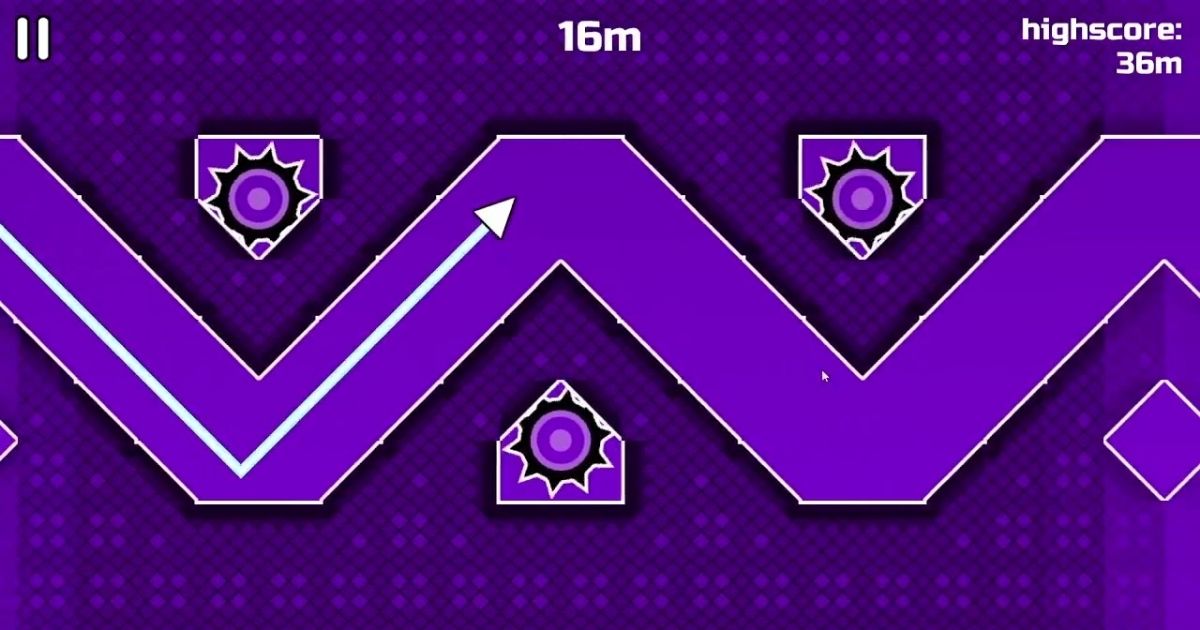
The controls are simple, but the challenge grows quickly. A small mistake can send the arrow into a wall, spike, slope, or moving obstacle before there is time to recover.
A strong strategy is useful because many crashes come from the same habits. Players hold too long, react too late, stare too closely at the arrow, or panic in tight spaces.
This Space Waves strategy guide helps turn those mistakes into clearer decisions. Instead of guessing, players can learn where to look, when to tap, and how to prepare for harder sequences.
Master short taps before chasing speed
The first rule in this Space Waves strategy guide is to use short, rapid taps. Light taps give better control because the arrow moves in smaller, easier-to-correct steps.
Holding too long often creates the biggest problem. The arrow may clear one obstacle, but it can rise too sharply and crash into the ceiling or enter the next gap from a bad angle.
Short taps also make recovery easier. If the arrow begins drifting too high or too low, a small correction can bring it back without ruining the whole route.
This Space Waves strategy guide treats tapping as rhythm, not force. The goal is to guide the arrow smoothly through the path instead of pushing it aggressively through every danger.
Stay centered to maximize reaction time
Centered movement is one of the safest habits in this Space Waves strategy guide. When the craft stays near the middle of the lane, players have more space to move upward or downward.
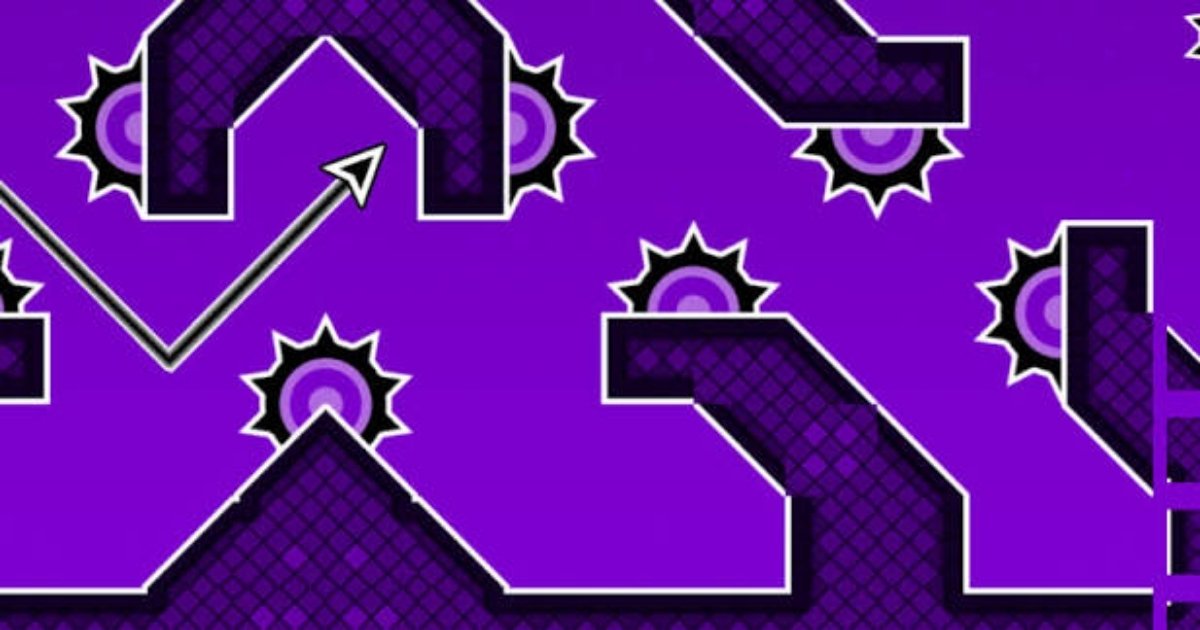
If the arrow flies too close to the ceiling, even a light tap can become dangerous. If it drops too low, a floor trap or rising section can leave little room to escape.
Staying centered does not mean the arrow should stay perfectly flat. It means returning to a balanced position whenever the path gives you enough room.
This Space Waves strategy guide recommends using the center as a reset zone. After each dodge, try to bring the arrow back to a safer middle line before the next obstacle chain begins.
Anticipate instead of reacting late
One of the most important lessons in this Space Waves strategy guide is to look ahead. Staring directly at the arrow makes players react late because the next obstacle is already too close.
Train your eyes on the path one or two obstacles ahead. This helps you notice spikes, walls, tight gaps, and sudden turns before they become urgent.
Anticipation gives your micro-adjustments time to line up. A small tap made early is often safer than a large correction made too late.
A general Space Waves guide can explain the full game structure, but this strategy section focuses on turning early reading into cleaner movement during real runs.
Use the beat to improve timing
Space Waves has a rhythm-based feel, so this Space Waves strategy guide encourages players to notice the beat. Many obstacle patterns feel easier when your taps match the pace of the section.
The music should support your timing, not replace your eyes. You still need to read the tunnel, because not every turn can be handled by rhythm alone.
When a pattern repeats, listen to the spacing between inputs. Your hands can slowly learn when to tap, release, and reset.
This Space Waves strategy guide recommends slowing down mentally when the beat feels chaotic. A steady rhythm is usually safer than tapping quickly without control.
Handle ascending and descending routes smarter
Ascending and descending routes need different timing. When the arrow glides downward, it will keep losing height unless you move upward early enough.

This Space Waves strategy guide recommends preparing before an incline. If you wait until the arrow is already too low, the next upward movement may become too sharp.
Descending can also be dangerous if players release for too long. The arrow may look safe for a moment, then suddenly drop into the lower boundary or a trap.
The best approach is to think one move ahead. Rise early before climbs, release carefully before drops, and avoid letting the arrow drift too far from the center line.
Choose safer routes around circular spikes
Circular spikes can trick players into taking risky paths. Many players try to clear them from above, but that can place the arrow near the ceiling with little room to recover.
This Space Waves strategy guide recommends moving under circular spikes when the layout allows it. The lower route is often safer because it can leave more room for the next correction.
The key is not simply choosing the low path every time. The safer route depends on where the next obstacle appears and how much vertical space remains after passing the spike.
Use early reading before choosing a line. If going above creates a bad entry angle for the next gap, a lower path may give better control.
Use zigzag tightropes without overcorrecting
Zigzag tightropes are narrow sections where obstacles press from both sides. These parts can feel stressful because one heavy tap may send the arrow into danger.
This Space Waves strategy guide recommends steady, repeated micro-taps in these sections. The goal is to weave through with forward momentum instead of making large swings.
A controlled zigzag should feel small and balanced. If the arrow starts moving too sharply, release or tap lightly to bring it back toward the safe line.
Many advanced strategies are built on this idea. Clean zigzag movement depends less on speed and more on keeping every correction small enough to manage.
Core Space Waves strategy guide checklist
The strategies below work best when used together. This Space Waves strategy guide recommends starting with the basics, then adding harder movement habits as your control improves.
- Use short taps: Light inputs reduce overcorrection and make each movement easier to adjust.
- Stay centered: A middle position gives more time to dodge sudden hazards.
- Look ahead: Reading the path early helps you prepare before traps reach the arrow.
- Follow the beat: Rhythm can support smoother timing in repeated sections.
- Move upward early: Prepare for inclines before the arrow drops too low.
- Go under circular spikes when safer: Lower routes often give better recovery space.
- Use micro-taps in tightropes: Small zigzags are safer than wild overcorrections.
- Memorize trap patterns: Repeated attempts help you know when to tap, release, or reset.
- Save power-ups: Keep useful buffs for chaotic sections instead of using them too early.
This Space Waves strategy guide does not require players to master every point at once. Focus on one weakness first, then build the next habit after your control feels more stable.
Memorize patterns through trial and error
Pattern memory is a major part of this Space Waves strategy guide. Many levels repeat trap sequences, so repeated attempts can turn confusing sections into familiar routes.
Trial and error is not failure in Space Waves. Each crash can show whether you tapped too late, entered too high, released too long, or chose a risky path.
When you fail at the same place, pause mentally before restarting. Try to remember what appeared before the crash and what input caused the mistake.
This Space Waves strategy guide works best when players treat every run as feedback. The more clearly you understand the mistake, the easier it becomes to correct the next attempt.
Start with green levels when stuck
If a difficult section keeps breaking your rhythm, easier green levels can help rebuild control. Wider angles and slower pressure give players more room to practice without harsh punishment.
This Space Waves strategy guide recommends returning to easier levels when your taps become heavy or frustrated. Easier routes can restore the basic timing that harder stages expose.
A Space Waves beginner’s guide is especially useful here because newer players often need to strengthen short taps and centered movement before pushing into harder routes.
Starting easier is not going backward. It is a smart way to build muscle memory before returning to chaotic sections with better control.
Save power-ups for chaotic sections
Some modes or versions may offer power-ups like invincibility or slow-motion buffs. If they are available, this Space Waves strategy guide recommends saving them for the most difficult parts of a level.
Using a power-up too early may waste its value. A calm section usually does not need extra help, while a dense trap sequence can become much safer with the right support.
Power-ups should not replace skill. They work best when combined with short taps, centered movement, and early reading.
The smartest use is defensive. Save them for moments where the tunnel becomes chaotic, obstacles crowd the path, or your normal reaction time may not be enough.
Common strategy mistakes to avoid
The first mistake is reacting only after danger appears. Late reactions force heavy corrections, and heavy corrections often lead to crashes.
The second mistake is choosing risky upper routes too often. Some obstacles, especially circular spikes, may be safer from below depending on the next section.
Another mistake is using power-ups immediately. This can leave players without help when the level becomes truly difficult.
This Space Waves strategy guide also warns against panic tapping. When players feel trapped, they often press harder, move wider, and lose the small control needed to survive tight sections.
FAQs about Space Waves strategy guide
What is the best strategy for Space Waves?
The best strategy is to use short taps, stay centered, read ahead, and memorize patterns. These habits help players reduce overcorrection and prepare for obstacles earlier.
Should I go above or below circular spikes?
Going under circular spikes is often safer when the layout allows it because it can leave better recovery space. The best route still depends on the next obstacle.
How do I survive zigzag sections?
Use small, steady taps instead of big movements. A controlled zigzag keeps the arrow moving forward while reducing the risk of hitting hazards above or below.
When should I use power-ups in Space Waves?
Power-ups are usually best saved for the most chaotic sections. Using them during easier parts can leave you without support when the level becomes harder.
Why should I start with green levels?
Green levels usually give more room to practice timing and muscle memory. They are useful when harder sections make your movement feel rushed or unstable.
Final thoughts on this Space Waves strategy guide
This Space Waves strategy guide shows that strong runs come from calm control, early reading, and smart route choices. Short taps, centered movement, safer spike paths, steady zigzags, and pattern memory can make difficult sections feel less random.
Now put this Space Waves strategy guide into practice and start a new run. Play Space Waves today, test your timing, save your power-ups for the right moments, and keep chasing cleaner routes through every tunnel.