Common mistakes in Space Waves and how to fix them fast
In Space Waves, most crashes are caused by player habits rather than level difficulty. Understanding common mistakes in Space Waves is the first step to improving control, timing, and overall performance in fast-paced sections.
Many players fail because they repeat the same errors without realizing it. These common mistakes in Space Waves include over-holding input, poor positioning, panic reactions, and lack of forward vision during gameplay. Fixing them early helps build stable movement habits.
This guide explains how to identify and correct common mistakes in Space Waves using structured practice methods. You will also learn how to improve consistency through better rhythm control and segment-based training techniques.
Why common mistakes in Space Waves affect performance
Most failures in Space Waves come from repeated behavior patterns rather than impossible obstacles. These common mistakes in Space Waves slowly reduce accuracy and make timing harder in fast sections.
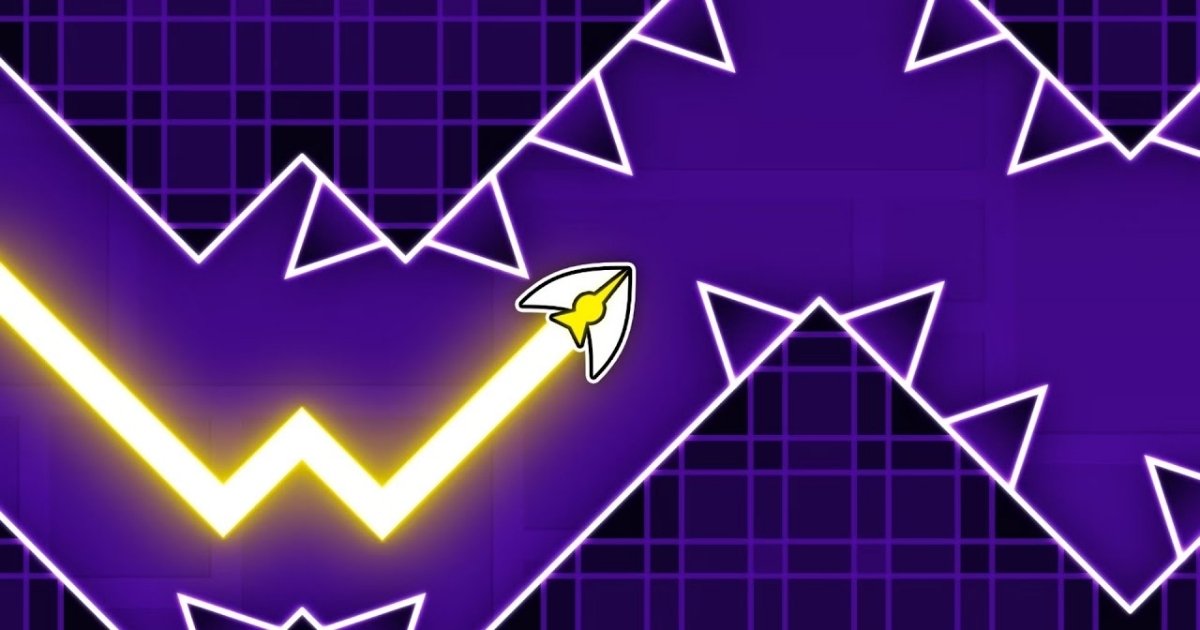
When players ignore these issues, they become long-term habits that are difficult to fix. As a result, performance becomes unstable even after hours of practice.
Fixing basic control issues first helps improve consistency and reduces frustration in advanced levels. This is why understanding common mistakes in Space Waves is essential for progression.
Over-holding movement input in Space Waves
One of the most frequent common mistakes in Space Waves is holding movement input for too long. This reduces flexibility and makes quick adjustments more difficult.
Long input holding creates rigid movement and increases crash risk in narrow paths. Players often oversteer and lose control in fast sections.
Short and controlled taps are more effective and improve precision. This technique is often recommended in advanced guides like Space Waves guide.
Ignoring positioning and spacing
Poor positioning is another major part of common mistakes in Space Waves. Many players drift too high or too low without noticing their wave position.
This reduces reaction space and makes recovery harder during fast sequences. Even small errors can lead to immediate crashes.
Staying centered improves control and keeps movement more balanced during unpredictable patterns. This position gives players more space to adjust when obstacles appear suddenly. It also helps create more consistent performance throughout Space Waves gameplay.
Only focusing on current movement
Another critical issue within common mistakes in Space Waves is focusing only on the current wave position. This reduces awareness of upcoming obstacles.
Without looking ahead, players react too late to pattern changes and lose timing accuracy. This leads to frequent mistakes in advanced levels.
Improving forward vision helps players predict upcoming movement and prepare for obstacles earlier. This allows smoother reactions and better timing during fast sections. It also helps reduce mistakes caused by late responses under pressure.
Panicking during high-speed sections
Panic reactions are one of the most damaging common mistakes in Space Waves. When players panic, they lose rhythm and start spamming inputs.
This breaks movement consistency and creates unstable wave paths even in simple sections. Staying calm and using controlled taps is more effective and improves survival rate in difficult levels.
Relying only on reaction speed
Many players believe reaction speed is the most important skill, but this is one of the common mistakes in Space Waves. Most obstacles follow predictable patterns and timing structures, which means success depends more on control and awareness than quick reactions.
Relying only on reaction leads to late responses and inconsistent gameplay performance. Learning rhythm and pattern recognition improves control and makes movement more stable over time.
Overcorrecting small errors
Overcorrection is another hidden issue in common mistakes in Space Waves. Players often make large adjustments instead of small corrections.
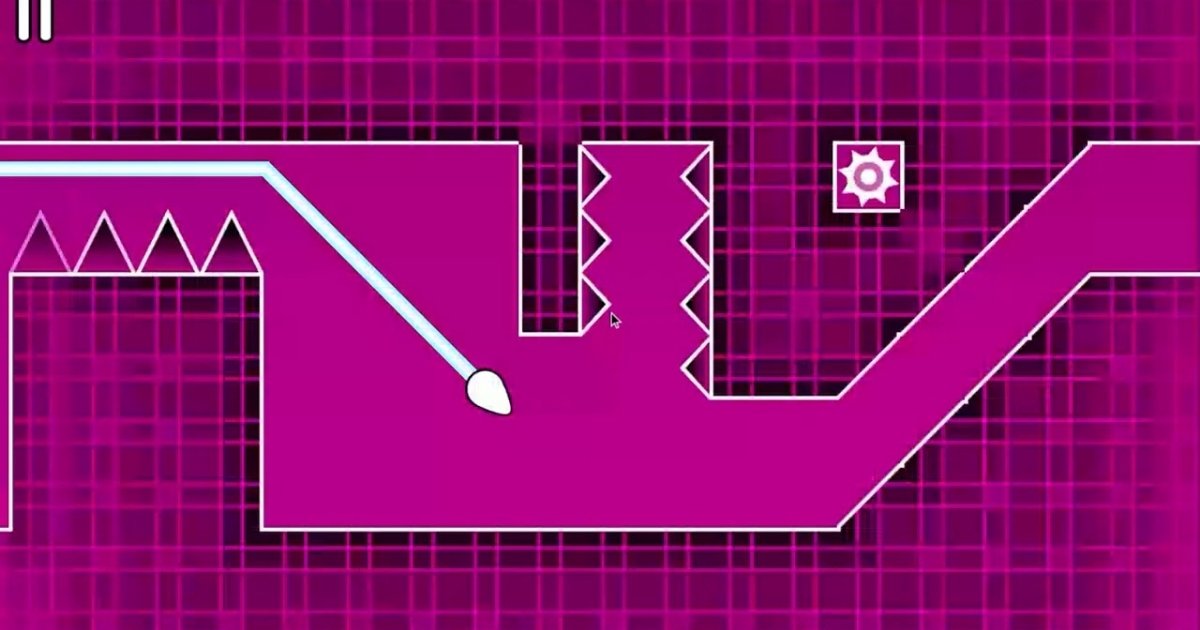
This causes unstable movement and increases crash probability in tight areas. Using micro-adjustments helps maintain smoother control and improves accuracy.
Making small and controlled adjustments is more effective than reacting too strongly to minor mistakes. Large movements can easily push the wave away from the ideal position and make recovery more difficult.
Practicing micro-adjustments helps players maintain better balance and improve accuracy during challenging sections.
Ignoring rhythm-based movement
Space Waves often follows rhythmic patterns, but many players ignore them, which contributes to common mistakes in Space Waves.
Without rhythm awareness, timing becomes inconsistent and harder to control in fast sections. Understanding rhythm improves coordination and creates smoother gameplay flow.
Players who focus only on visual reactions often miss the natural timing of obstacles. By recognizing repeated patterns and movement rhythm, players can predict upcoming sections instead of reacting too late. This makes input control more stable and helps create smoother gameplay during faster levels.
Practicing full levels instead of segments
Many players practice full levels instead of focusing on difficult sections, which is a key part of common mistakes in Space Waves.
This slows improvement and reduces efficiency during practice sessions. Segment-based training improves learning speed and helps build stronger muscle memory.
Practicing difficult sections repeatedly also helps players recognize patterns and improve decision-making. Instead of restarting the entire level after every mistake, focusing on specific obstacles allows faster learning and better control.
This approach makes practice more efficient and helps players build confidence before attempting the full level again.
How to fix common mistakes in Space Waves
Fixing common mistakes in Space Waves requires focused practice rather than random repetition. Players should work on one issue at a time.
Improving control step by step leads to more stable performance and better consistency. Speed should only increase after control becomes stable to avoid repeating old mistakes.
Practicing smaller parts of a level is also an effective way to improve faster. Repeating challenging sections helps build muscle memory and makes movement patterns easier to understand. Over time, players can handle difficult obstacles with better precision and confidence.
Players can also learn additional techniques from external resources such as game strategy guides. Combining structured practice with useful learning methods helps improve overall performance and reduce repeated mistakes.
Final thoughts
Most performance issues in Space Waves come from habits rather than difficulty. Recognizing common mistakes in Space Waves is the first step toward improvement.
Better positioning, timing, and control habits help reduce errors and improve consistency. With consistent practice and awareness, players can overcome common mistakes in Space Waves and achieve long-term skill improvement.