Rhythm and timing tips for Space Waves for perfect control and survival
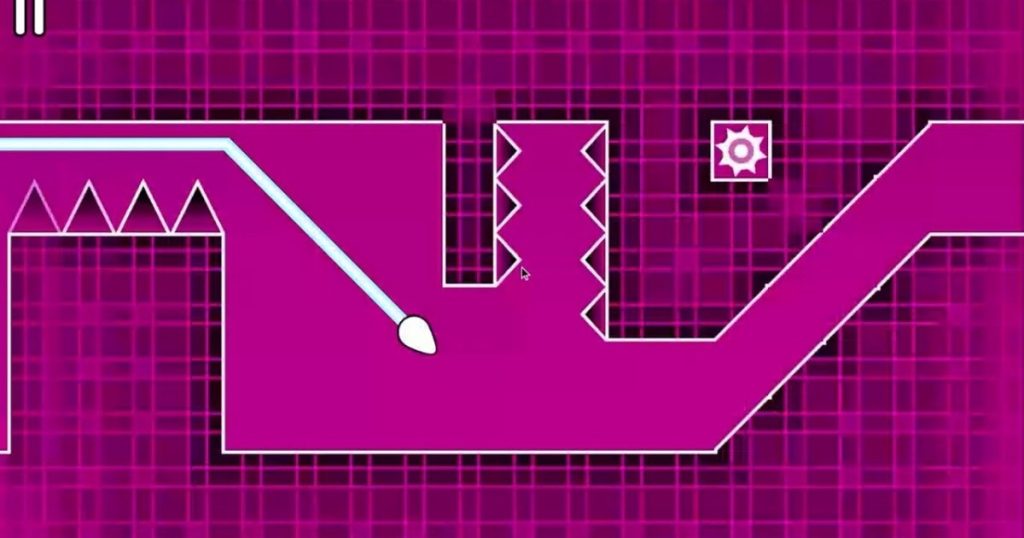
Rhythm and timing are core mechanics in Space Waves that determine how long you can survive in each run. The game constantly pushes players through narrow corridors, fast transitions, and unpredictable obstacle patterns that require consistent control rather than random reactions.
This guide explains rhythm and timing tips for Space Waves in a structured way to help players improve stability, reduce panic inputs, and build smoother movement habits. Instead of reacting blindly, you will learn how to move with rhythm and anticipation.
These techniques also improve consistency in Space Waves tips, especially in high-speed sections where mistakes happen quickly and recovery time is minimal. With better timing awareness, players can turn chaotic movement into controlled and predictable gameplay.
Over time, mastering rhythm-based control helps you reach a flow state where movement feels natural and less stressful. This is one of the most important skills for improving long-term performance in Space Waves.
Why rhythm and timing matter in Space Waves
Space Waves is designed around continuous movement where obstacles often follow structured timing patterns. These patterns become faster and more complex as levels progress, making raw reaction speed less reliable.

Many players rely only on reaction speed, but this often leads to late inputs and unnecessary crashes in tight sections. Without rhythm awareness, it becomes difficult to maintain stable movement under pressure.
Understanding rhythm allows players to predict movement changes before they happen and prepare inputs earlier. This is why rhythm and timing tips for Space Waves are essential for consistent performance.
Once rhythm is understood, gameplay becomes smoother and more predictable even in high-speed environments.
Break reactive clicking habits
One of the most common problems in Space Waves is reactive clicking, where players only respond after seeing obstacles. This habit works in early levels but fails quickly in advanced sections.
Reactive inputs create delays that often result in crashes, especially when obstacles appear in fast sequences. Players need to shift from reaction-based control to rhythm-based movement.
Replacing reactive clicking with structured timing helps reduce panic inputs and improves stability. This change is essential for mastering advanced gameplay.
Once this habit is broken, overall control becomes significantly more consistent.
Use micro-taps for precise movement control
Micro-taps are one of the most important rhythm and timing tips for Space Waves because they allow precise control in tight spaces. Instead of holding inputs, players should use short, controlled taps.
Holding movement too long often leads to overcorrection and crashes into spikes or walls. Micro-taps solve this by allowing small, accurate adjustments.
This technique is especially useful in narrow corridors where even minor mistakes can end a run immediately. It also helps maintain smoother wave movement overall.
With practice, micro-tapping becomes natural and greatly improves consistency.
Sync movement with the game rhythm
The soundtrack in Space Waves is not just background music but also a timing guide for movement. Many obstacle transitions align with beats or visual rhythm patterns.

When players sync movement with rhythm, timing becomes more predictable and less stressful. This reduces panic reactions during fast sections.
Instead of reacting visually only, players begin to feel timing through sound and rhythm. This improves consistency and control. Over time, rhythm syncing becomes an automatic part of gameplay flow.
Master zigzag movement with rhythm control
Zigzag movement is essential in Space Waves, especially in tight corridors where obstacles alternate quickly. Without rhythm control, zigzag patterns become unstable and chaotic.
Using controlled rhythm allows players to maintain smooth wave motion instead of sharp and erratic corrections. This significantly reduces crash frequency.
Zigzag control becomes much easier when combined with timing awareness and micro-adjustments. This technique is a key part of advanced survival strategies in Space Waves.
Keep your position centered
Positioning is a critical factor in reaction time and control. Staying near the center of the screen gives players more flexibility for upward and downward movement.
When the ship is too close to edges, reaction options become limited and recovery becomes harder. This increases the chance of mistakes in fast sections.
A centered position creates a safety buffer that improves stability and consistency. It also helps players react more smoothly to sudden changes. This simple habit has a major impact on long-term performance.
Look ahead instead of focusing on your ship
Many players fail because they focus too closely on their ship instead of upcoming obstacles. This reduces reaction time and increases panic inputs.
Looking ahead gives the brain more time to process patterns and prepare movements early. This improves decision-making speed and accuracy.
It also helps players avoid last-second corrections that often lead to crashes. This habit is essential for mastering rhythm-based gameplay control.
Practice in small segments for faster improvement
Instead of replaying full levels, players should break them into short segments of 5–10 seconds. This makes practice more focused and efficient.
Short segments allow players to repeat difficult patterns until they become consistent. This builds strong muscle memory over time.
Repetition in small sections improves timing accuracy much faster than full-level runs. This method is widely used by experienced players to improve consistency.
Avoid common rhythm mistakes
Many players struggle because they rely too much on random reactions instead of structured rhythm control. This leads to unstable movement and frequent crashes.
Other common mistakes include over-holding inputs, ignoring beat patterns, and reacting too late to visual cues. These habits reduce consistency significantly.
Fixing these mistakes is essential for improving long-term performance and stability. Once corrected, gameplay becomes smoother and more predictable.
Advanced rhythm and timing techniques
Advanced players combine micro-taps, anticipation, and beat synchronization to maintain perfect movement flow. This allows smoother navigation through complex obstacle patterns.
At higher levels, efficiency becomes more important than reaction speed alone. Controlled rhythm reduces unnecessary movement and improves accuracy.
These techniques are widely used in advanced Space Waves gameplay to maintain consistency in difficult sections. With enough practice, rhythm control becomes automatic and requires less conscious effort.
Reaction time and rhythm connection
Reaction time and rhythm are closely connected systems in Space Waves. Reaction helps handle sudden changes, while rhythm ensures stability and structure.
When both are trained together, gameplay becomes smoother and more predictable under pressure.
Improving rhythm naturally improves reaction consistency over time. This combination is key to long-term improvement.
Practice strategy for long-term improvement
Consistent practice is the most effective way to master rhythm and timing skills. Short focused sessions are more effective than long unfocused gameplay.
Repetition helps build instinctive movement patterns that reduce mental pressure during gameplay. Players who practice regularly see steady improvement in control and accuracy.
This leads to more stable performance in difficult levels.
FAQs
What are rhythm and timing tips for Space Waves?
They are techniques that help players sync movement with game rhythm using micro-taps and controlled timing.
Why is rhythm important in Space Waves?
Rhythm helps predict obstacle timing and improves movement consistency in fast sections.
How can I improve timing faster?
Use micro-taps, practice short segments, and sync movement with the game beat regularly.
Is reaction speed enough for Space Waves?
No, rhythm and control are more important for consistent performance in advanced gameplay.
Final thoughts
Rhythm and timing are essential skills that define long-term success in Space Waves. They help players move with control instead of reacting randomly under pressure.
By applying micro-taps, anticipation, centered positioning, and rhythm synchronization, players can significantly improve stability and reduce mistakes.
With regular practice in Space Waves, these techniques become natural habits that improve overall gameplay performance and survival rate.