Space Waves controls: Master taps and smoother runs today

Space Waves controls are simple to learn because the arrow moves with a one-button rise-and-fall system. This guide explains how Space Waves controls work on PC, web, and mobile so players can choose the input that feels most comfortable.
Short taps are the key to cleaner Space Waves controls because long holds often create overcorrection. Centered movement gives players more room to react when spikes, walls, cogs, and narrow turns appear.
Rhythm timing helps Space Waves controls feel more natural because many turns and obstacles follow the pace of the game. Rhythm timing, device comfort, and steady practice can make Space Waves controls feel smoother on PC, web, or mobile.
What Space Waves controls mean
Space Waves controls refer to the simple input system used to guide the arrow through each tunnel. The arrow automatically moves forward, while the player controls whether it rises or falls.
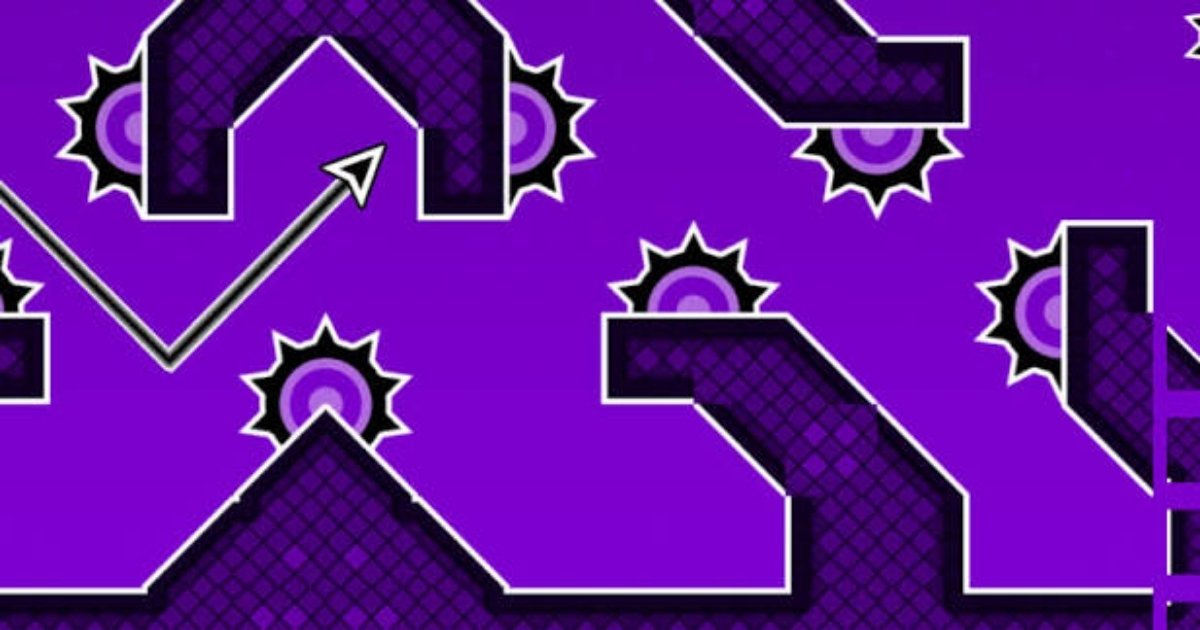
This one-button style makes the game easy to start. However, Space Waves controls become challenging because every tap changes the arrow’s angle and position.
The main goal is to move through narrow gaps without touching walls, spikes, rotating cogs, or other hazards. A small input mistake can send the arrow into danger, so clean control matters from the first run.
Good Space Waves controls are not about pressing harder or faster all the time. They are about using the right amount of input at the right moment.
How Space Waves controls work on PC and web
On PC and web, Space Waves controls usually let players hold the left mouse button, Spacebar, W key, or Up Arrow key to move upward. Releasing the input lets the arrow descend diagonally.
The arrow does not stop moving forward, so your timing must match the shape of the path. If you hold too long, the arrow rises too sharply and may crash into the ceiling.
Mouse control can feel natural because clicking and releasing is quick. Keyboard control can also work well if you prefer tapping with a key instead of the mouse.
The best input depends on comfort. A complete Space Waves guide should help players understand the game first, then choose the control style that feels steady.
How Space Waves controls work on mobile
On mobile or touch devices, Space Waves controls usually work through tap-and-hold movement. Touch and hold the screen to fly upward, then release to let the arrow fall.
This makes mobile controls simple, but sensitivity can feel different from PC. Your finger covers part of the screen, so reading the path ahead becomes even more important.
Mobile players should avoid pressing too long. A short touch gives better correction than a heavy hold, especially in narrow spaces.
Try to keep your hand relaxed while playing. Space Waves controls feel smoother when each tap is light, clean, and easy to repeat.
Why short taps improve Space Waves controls
Short taps are the most important habit for better Space Waves controls. A quick tap creates a small movement, which is easier to adjust before the next obstacle arrives.
Long holds often cause overcorrection. The arrow may dodge one obstacle, but it can enter the next gap from a dangerous height or angle.
Short taps also help in tight tunnels. When the space above and below is limited, small corrections are safer than large directional changes.
Players who want practical Space Waves tips should start here because cleaner tapping improves almost every part of the game.
Stay centered after every input
Centered movement makes Space Waves controls easier to manage. When the arrow stays near the middle of the path, players have more room to move up or down.
If the arrow is too high, the ceiling becomes a constant threat. If it is too low, floor hazards and rising slopes can trap the arrow quickly.
Staying centered does not mean holding a flat line. It means returning to a safer middle position after each dodge whenever the path gives enough space.
This habit gives players more reaction time. Space Waves controls feel less stressful when the arrow is not already stuck near one side of the tunnel.
Use rhythm to time each move
Space Waves controls often feel better when players follow the rhythm of the game. The background music and obstacle flow can help guide when to tap and release.
Rhythm should support your eyes, not replace them. You still need to watch the path carefully because every tunnel shape can require a different adjustment.
When a section repeats, listen to the timing between movements. Your hands can slowly learn the beat of each rise, release, and correction.
If your taps feel rushed, slow down mentally. A steady rhythm usually creates better Space Waves controls than fast tapping without control.
Control tight zigzags without overcorrecting
Tight zigzags are where Space Waves controls become more demanding. The arrow must move through narrow spaces without climbing too high or falling too low.
The best approach is to use rapid, light taps. These create a controlled zigzag that keeps the arrow moving forward without swinging too far.
Wild inputs usually make tight sections harder. A long hold may create one big movement, but it often leaves little room for the next correction.
Think of tight zigzags as a series of small pulses. Each tap should keep the arrow inside the safe lane rather than forcing it through the tunnel.
Core Space Waves controls checklist
The best way to improve Space Waves controls is to practice a few simple habits together. Use this checklist when your movement feels unstable or your crashes repeat in the same place.
- Press to rise: Hold the mouse, key, or screen to move the arrow diagonally upward.
- Release to fall: Let go to make the arrow descend diagonally through the path.
- Use short taps: Light inputs help prevent overcorrection and make movement easier to fix.
- Stay centered: A middle position gives more room to react to sudden hazards.
- Look ahead: Read one or two obstacles early instead of staring only at the arrow.
- Follow the beat: Rhythm can help your timing feel more natural in repeated sections.
- Practice small zigzags: Tight spaces are easier when corrections stay quick and controlled.
This checklist should not be rushed. Start with short taps first, then add centered movement, early reading, and rhythm timing as your Space Waves controls become more stable.

Common Space Waves controls mistakes
The most common mistake is holding the input too long. This makes the arrow climb sharply and often causes a crash into the ceiling or the next obstacle.
Another mistake is tapping too late. When players stare only at the arrow, they react after the danger is already close.
Some players also panic in tight sections. Panic usually creates heavy taps, uneven rhythm, and repeated crashes.
Beginners can reduce these mistakes by learning the basics slowly. A helpful Space Waves beginner’s guide can support new players before they move into faster or harder stages.
Practice Space Waves controls on easier levels first
Easier levels are useful because they give players more space to understand the controls. Wide tunnels let you test how much each tap moves the arrow.
Starting with easier stages is not a weakness. It helps build muscle memory before harder levels demand faster reactions and cleaner timing.
After a few attempts, you may notice repeated patterns. This is when Space Waves controls begin to feel less random and more predictable.
If you crash at the same place, do not restart without thinking. Ask whether the problem was a long hold, late release, poor center position, or rushed tap.
Choose the best input for your device
PC players may prefer the mouse because clicking and releasing can feel fast. Others may prefer Spacebar, W, or Up Arrow because keyboard tapping feels more consistent.
Mobile players should focus on screen comfort. A relaxed finger position helps keep taps short and makes it easier to see the path ahead.
There is no single best input for every player. The best Space Waves controls are the ones that let you tap lightly, release cleanly, and stay focused on the tunnel.
Try a few control options if your current one feels uncomfortable. A small change in input style can make the game feel smoother.
FAQs about Space Waves controls
What are the basic Space Waves controls?
The basic Space Waves controls are press to rise and release to fall. The arrow moves forward automatically, so players mainly control height and timing.
Can I play Space Waves with keyboard controls?
Yes, many versions support keyboard inputs such as Spacebar, W, or Up Arrow to move upward. Releasing the key makes the arrow descend.
Are Space Waves controls easier on mouse or mobile?
This depends on the player. Mouse controls may feel more precise for some players, while mobile controls are simple and easy to start with.
Why do Space Waves controls feel sensitive?
Space Waves controls feel sensitive because each input changes the arrow’s height quickly. Short taps help keep movement smaller and easier to correct.
How can beginners improve Space Waves controls?
Beginners should practice short taps, stay near the center, and look ahead at the path. These habits make the controls feel calmer and more predictable.
Final thoughts on Space Waves controls
Space Waves controls are simple in design but demanding in practice. Pressing to rise and releasing to fall sounds easy, but clean runs depend on short taps, centered movement, rhythm timing, and early path reading.
Now put these Space Waves controls into action and start a new run. Play Space Waves today, test your timing on each tunnel, and keep practicing until every tap feels smoother and more controlled.