What is the hardest part of Space Waves? Wave control challenges explained
Space Waves is a fast-paced precision game built around continuous movement, tight obstacle layouts, and rapidly changing timing patterns. Every level challenges players to maintain control while reacting to increasingly complex wave paths that demand accuracy and focus.
This guide explores what is the hardest part of Space Waves in detail, focusing on wave control mechanics, timing pressure, and movement precision. It also explains why many players struggle with specific sections and how to improve using structured practice methods.
Throughout this article, we will also reference Space Waves tips and gameplay insights to help you understand how advanced mechanics affect performance in real gameplay situations.
By the end, you will have a clear understanding of what makes the game difficult and how to overcome those challenges with better control habits and practice strategies.
What is the hardest part of Space Waves overall gameplay
The hardest part of Space Waves is mastering wave control under pressure, especially when the game introduces tight corridors and fast transitions. Because movement is based on diagonal wave physics, even small timing errors can instantly lead to failure.
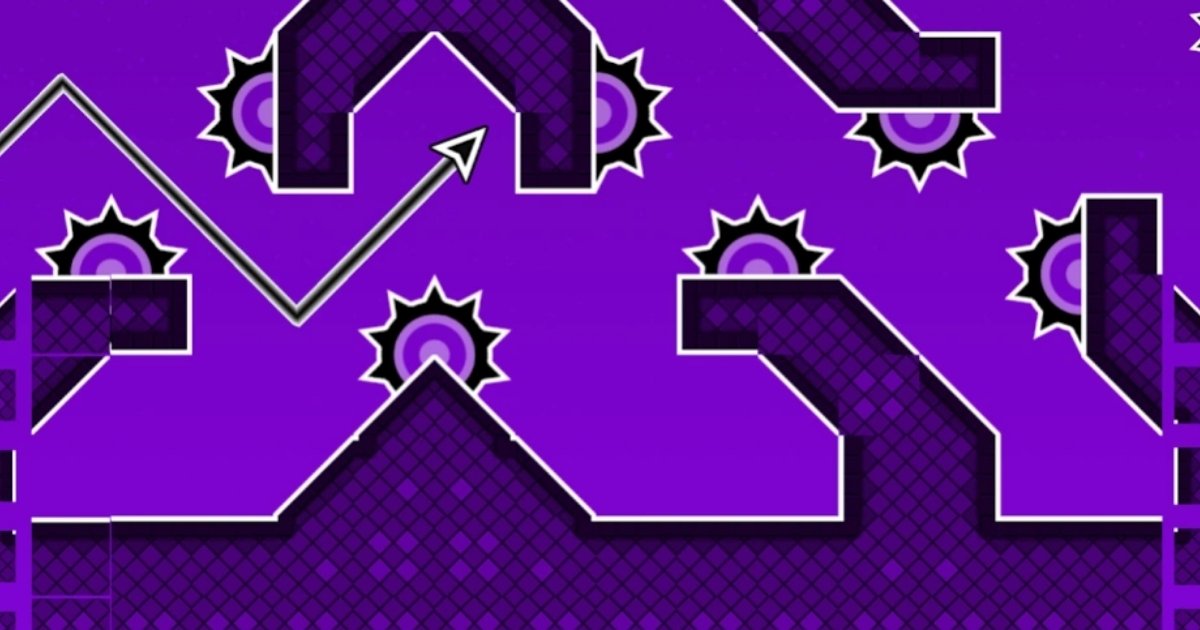
Many players assume speed is the main difficulty, but the real challenge lies in precision. Every movement requires carefully controlled input duration to avoid overcorrection or understeering.
As levels progress, players must constantly adjust to new patterns while maintaining stability. This is why what is the hardest part of Space Waves is often described as control consistency rather than reaction speed.
Once players understand this core difficulty, they can focus on improving accuracy instead of relying on instinct alone.
Wave mechanics and why they are difficult
Wave mechanics in Space Waves require players to alternate between upward and downward diagonal movement using precise input timing. This creates a constant need for micro-adjustments.
The difficulty comes from how sensitive the wave movement is, especially in narrow sections where even small input changes can cause crashes. Unlike traditional movement systems, wave mechanics do not allow recovery space after mistakes, which increases pressure significantly.
This mechanic is central to understanding what is the hardest part of Space Waves.
Micro-adjustments and precision control challenges
One of the most difficult skills in Space Waves is mastering micro-adjustments. These are extremely small input changes used to maintain stable movement through tight gaps.
The challenge is that micro-adjustments require both timing and control at the same time. A slightly incorrect tap can cause immediate failure.
Players often struggle because they either over-tap or under-tap, both of which lead to instability in wave paths. This makes precision control a major reason behind what is the hardest part of Space Waves.
Mini-wave difficulty and sensitivity issues
Mini-wave sections are significantly harder than standard wave gameplay because the movement becomes more sensitive and less forgiving. This increases the difficulty of maintaining consistent control.
Even small input delays or overcorrections can result in hitting spikes or ceilings. Players must be extremely precise with timing and rhythm.
This is especially noticeable in late-game stages where speed and complexity increase together. Mini-wave sections are often highlighted in advanced Space waves demon list discussions due to their difficulty.
Overreacting and panic input problems
A major issue for many players is overreacting when they see obstacles. Instead of controlled adjustments, they tend to spam inputs, which destabilizes movement.
This panic behavior leads to chaotic wave paths that are impossible to correct in tight spaces. The correct approach is calm, rhythmic tapping instead of aggressive clicking or holding.
Overreacting is one of the most common reasons players fail in Space Waves level 39 and similar high-difficulty stages.
Ignoring rhythm and timing patterns
Another major difficulty comes from ignoring rhythm patterns in the game. Many obstacle sequences follow predictable timing structures that players can learn.
Players who rely only on reaction struggle because they miss these patterns and react too late. Understanding rhythm allows players to anticipate movement changes instead of responding at the last moment.
This is a key concept in improving performance using Space Waves guide strategies.
Spike mazes and tight corridor navigation
Spike mazes are among the most challenging sections in Space Waves because they require precise movement through extremely narrow paths. There is very little room for error.
Players must carefully control wave direction while avoiding sudden spikes that appear in unpredictable patterns. In advanced levels, spike mazes often combine with speed increases, making them even harder to survive.
These sections are a defining feature of the hardest levels in Space Waves.
Why timing pressure increases difficulty
As levels progress, timing windows become smaller, requiring faster and more accurate decision-making. This increases pressure on players significantly.
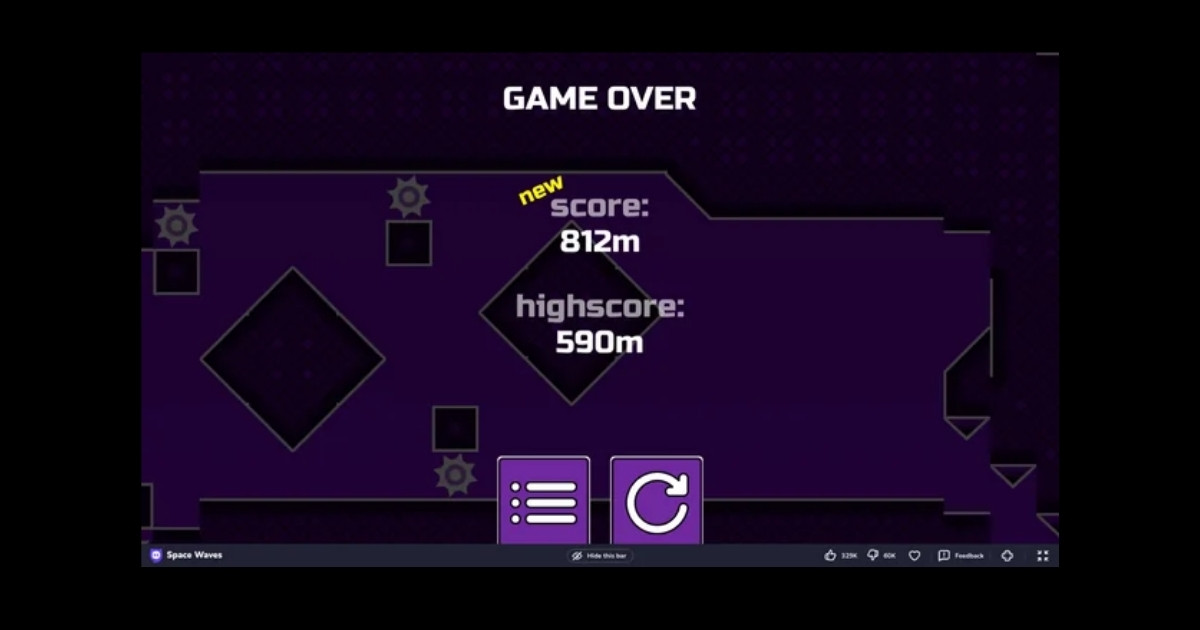
Even experienced players struggle when timing becomes too tight for visual reaction alone. This is why learning structured timing is essential for overcoming advanced stages. Timing pressure is a core reason behind what is the hardest part of Space Waves.
Common mistakes players make
Many players fail due to predictable mistakes such as over-holding inputs, reacting too late, or focusing only on the ship instead of upcoming obstacles.
These mistakes become more dangerous as levels increase in speed and complexity.
Another common issue is failing to learn patterns and relying entirely on instinct. Fixing these habits significantly improves consistency and survival rate.
How to improve wave control consistency
Improving wave control requires structured practice rather than random attempts. Players should focus on stability before increasing speed.
Practicing short sections repeatedly helps build muscle memory for difficult patterns. Over time, movement becomes more predictable and easier to control under pressure.
This is one of the most effective Space Waves tips for long-term improvement.
Advanced strategies for difficult levels
Advanced players focus on efficiency rather than reaction speed. They reduce unnecessary movement and rely on precise timing.
At higher levels, prediction becomes more important than reaction alone. Players who master this approach can handle even the hardest sections with stability.
This is especially useful for clearing the most difficult stages in Space Waves.
Connection between difficulty and progression
The difficulty of Space Waves increases gradually, with each level introducing new mechanics and tighter control requirements.
Early levels focus on basic movement, while later levels introduce complex wave patterns and spike mazes. This progression is why players often feel a sudden difficulty spike when reaching advanced stages.
Understanding this system helps players prepare more effectively for challenges ahead.
Why consistency matters more than speed
Consistency is more important than raw speed in Space Waves because stable movement reduces mistakes and improves survival rate.
Fast reactions without control often lead to crashes in tight sections. Controlled movement ensures smoother gameplay even under pressure.
This is a key principle when analyzing what is the hardest part of Space Waves.
FAQs
What is the hardest level in Space Waves?
Many players consider late-game stages like Space Waves level 39 among the hardest due to spike mazes and mini-wave control challenges.
What is the hardest part of Space Waves?
The hardest part is mastering wave control, especially micro-adjustments and precision timing in tight corridors.
Why is wave control so difficult?
Wave control is difficult because movement is highly sensitive and requires perfect timing in fast sections.
What is the hardest wave mechanic?
Mini-wave mechanics are considered the hardest due to increased sensitivity and reduced control margin.
Is Space Waves similar to Geometry Dash wave mode?
Yes, both share wave mechanics, but Space Waves focuses more on continuous survival and rhythm control.
Final thoughts
The answer to what is the hardest part of Space Waves is not just speed, but precision wave control under pressure. Players struggle most with micro-adjustments, timing pressure, and unstable input habits.
By improving rhythm control, learning patterns, and practicing structured movement, players can overcome even the most difficult sections in the game. Using Space Waves regularly helps build the skills needed to handle advanced challenges and improve long-term consistency.