Space Waves mouse controls explained for smoother gameplay
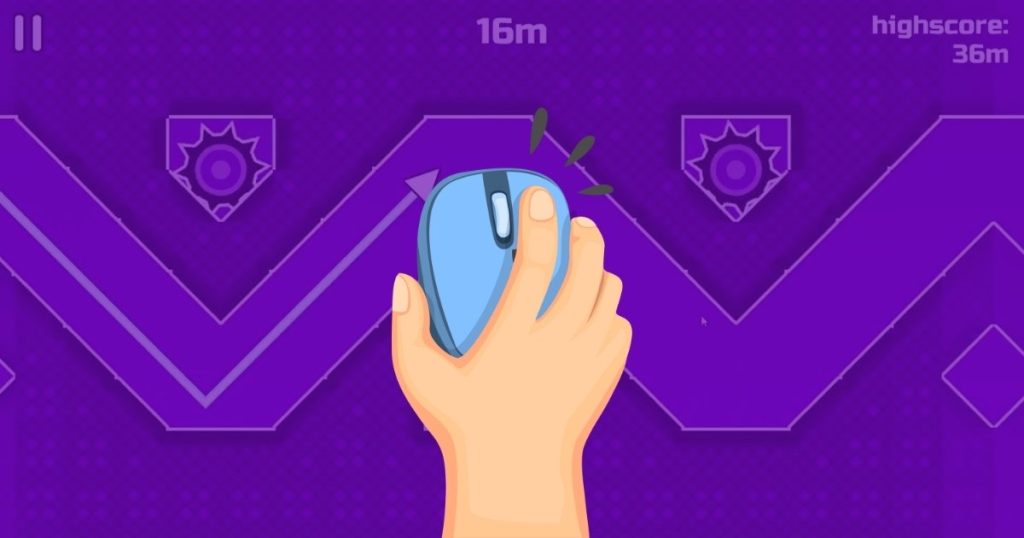
Space Waves mouse controls are easy to learn but challenging to master because every movement depends on timing and precision. Understanding how clicks affect your arrow’s flight path can improve consistency and help you avoid common mistakes.
Simple techniques such as short taps, controlled gliding, and proper positioning can make difficult sections much easier to navigate. Learning advanced movement strategies also helps players react faster when obstacles become more demanding. Whether you’re new to the game or looking to refine your skills, this guide covers everything you need to know about Space Waves mouse controls.
Visit Space Waves for more gameplay resources and continue reading below.
How Space Waves mouse controls work
Space Waves mouse controls are built around a single input system. Players use the left mouse button to control the movement of their arrow throughout each level.
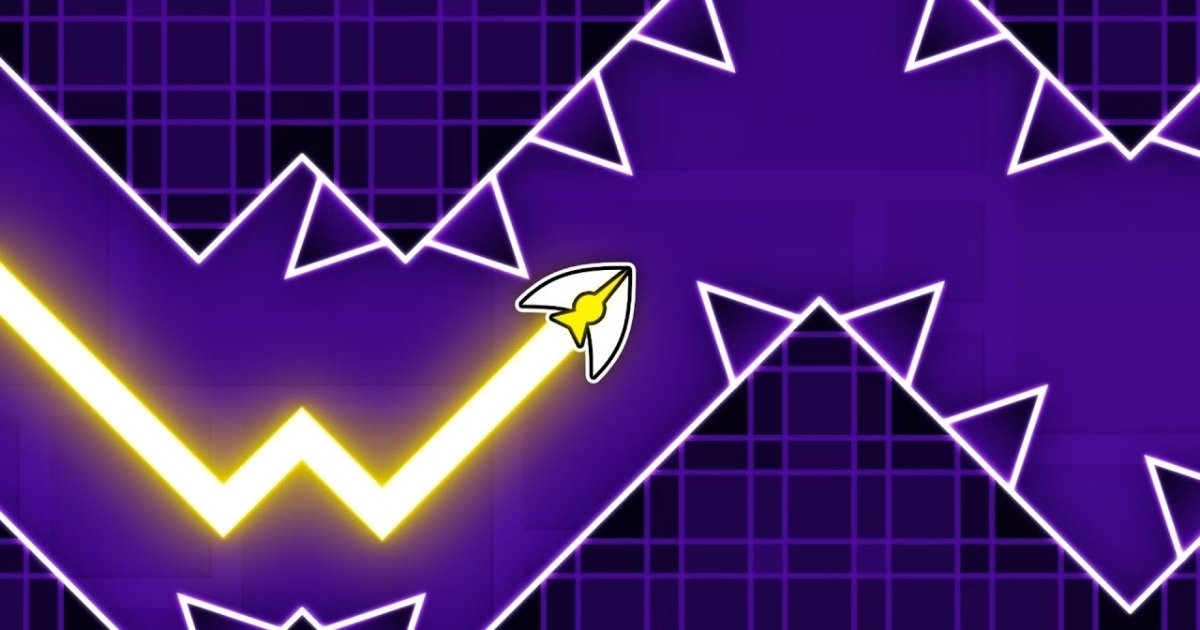
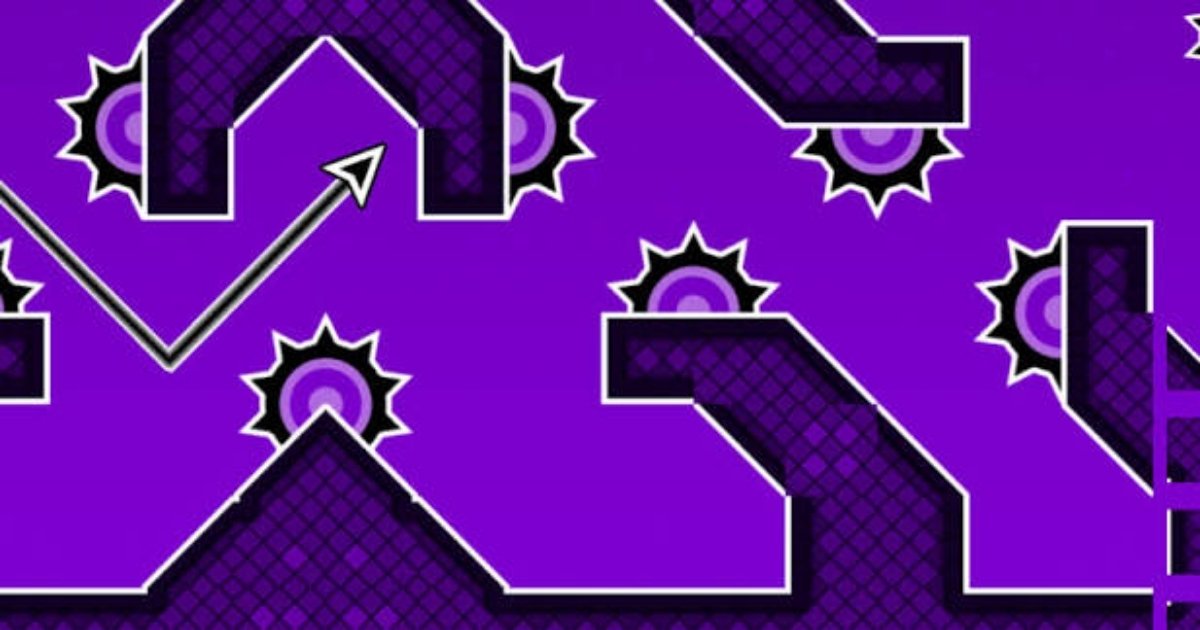
Pressing and holding the left mouse button causes the arrow to fly upward continuously. Releasing the button makes the arrow glide downward until another input is applied.
Although the controls seem simple, mastering the balance between ascending and descending requires practice. Small timing adjustments often determine whether you clear an obstacle or collide with it.
Why precision matters when using a mouse
Unlike some games that allow room for correction after mistakes, Space Waves rewards accuracy from the start. Every click directly affects your trajectory, making precise inputs essential.
Players who rely on controlled movements generally perform better than those who use random or excessive clicking. Maintaining a steady rhythm creates smoother navigation through complex obstacle patterns.
Master short taps for better control
One of the most important Space Waves mouse controls techniques is learning to use short taps. Quick clicks create small altitude adjustments that are easier to manage than long presses.
Heavy clicking often causes the arrow to rise too quickly. This can lead to collisions with spikes, walls, or other hazards positioned near the top of the screen.
Short taps provide greater flexibility and allow players to make constant micro-adjustments while moving through narrow passages.
Understand how the glide mechanic affects movement
Releasing the mouse button does not stop movement entirely. Instead, the arrow begins gliding downward in a controlled descent.
Many beginners underestimate this mechanic and react too late when approaching upward slopes or elevated pathways. Understanding the natural downward glide helps players plan movements more effectively.
Successful players often begin ascending before reaching an incline. This creates enough height to clear obstacles without making sudden corrections at the last moment.
Stay near the center of the screen
Positioning is just as important as clicking technique. Keeping the arrow near the center of the screen provides the greatest amount of reaction time.
When obstacles appear unexpectedly, centered positioning gives players more room to move upward or downward. Staying too close to either edge limits available options and increases risk.
This simple habit can improve consistency across nearly every level in the game.
How to use zigzag movement effectively
Certain sections place obstacles above and below the arrow simultaneously. In these situations, zigzag movement becomes a valuable survival technique.
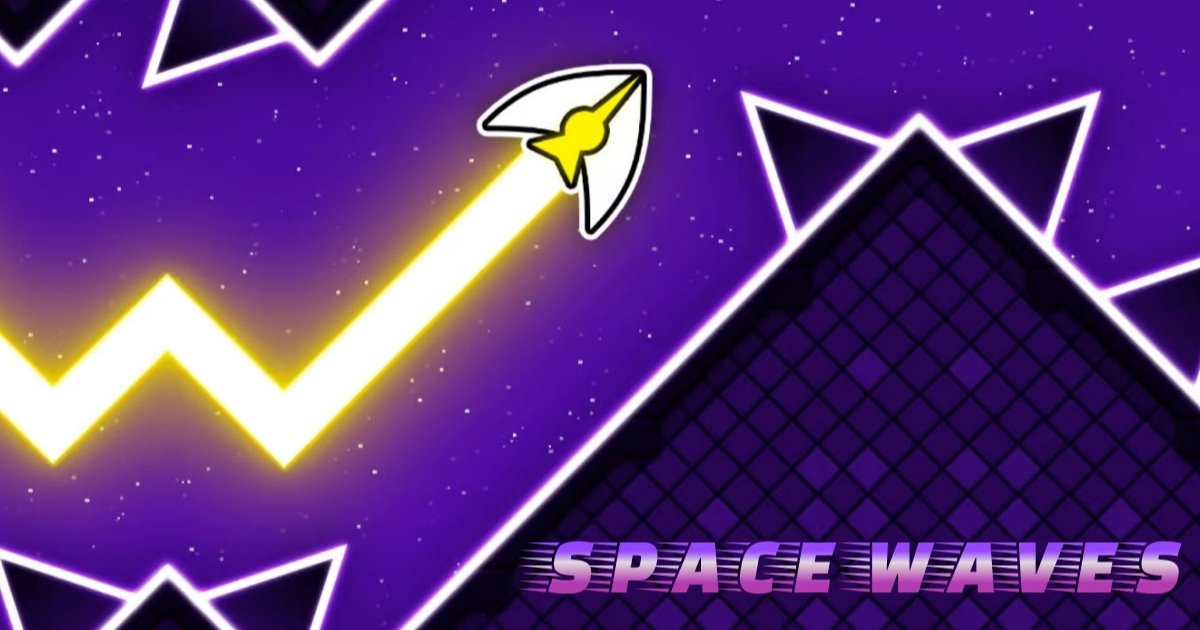
Rapid but controlled tapping allows players to alternate between short ascents and descents. This creates a steady wave-like motion that helps navigate tight spaces.
The key is maintaining rhythm rather than clicking as quickly as possible. Controlled zigzags provide smoother movement and reduce unnecessary errors.
Common mistakes players make with mouse controls
Many players struggle because they hold the mouse button for too long. Long presses often create exaggerated movement that becomes difficult to correct.
Another common mistake is reacting only after an obstacle appears directly ahead. Waiting too long reduces available reaction time and increases the likelihood of collisions.
Players also tend to panic during difficult sections. Excessive clicking usually makes situations worse instead of improving control.
Practice on easier levels first
Building strong fundamentals is easier on beginner-friendly levels. Green or chili-rated levels typically offer wider pathways and more forgiving obstacle layouts.
These stages allow players to focus on mastering Space Waves mouse controls without the pressure of extreme difficulty. As confidence improves, transitioning to more challenging levels becomes much smoother.
Consistent practice on easier maps often produces faster improvement than repeatedly attempting advanced content too early.
Mouse controls vs keyboard controls
Some players prefer using a mouse because clicking feels intuitive and responsive. Others enjoy keyboard inputs because they provide a different sense of control.
The core mechanics remain identical regardless of the input method. Pressing, holding, and releasing all influence the arrow’s movement in similar ways.
If you want to compare input methods in greater detail, check out our Space Waves keyboard controls guide.
Tips to improve consistency with mouse controls
- Use short taps instead of long presses.
- Stay close to the center of the screen.
- Look ahead rather than focusing only on the arrow.
- Anticipate downward gliding before obstacles appear.
- Practice zigzag movement in narrow spaces.
- Start with easier levels before increasing difficulty.
Applying these habits consistently can help players improve accuracy and develop better control over time.
When should you choose mouse controls?
Mouse controls are a great option for players who prefer direct and simple inputs. The left-click system is easy to understand and works well for both beginners and experienced players.
Many players find that mouse controls offer excellent precision once they become familiar with timing and glide management. Ultimately, the best choice depends on personal preference and comfort.
You can explore additional movement techniques and gameplay strategies through our detailed Space Waves controls resource.
FAQs about Space Waves mouse controls
Can you play Space Waves using only a mouse?
Yes. The game is fully playable using the left mouse button, making mouse controls one of the most popular input options.
Are mouse controls better than keyboard controls?
Neither option is objectively better. Most players choose the input method that feels more comfortable and provides the best consistency.
Why do I keep crashing when using mouse controls?
Frequent crashes often result from holding the mouse button too long or reacting too late to upcoming obstacles. Practicing short taps can help improve accuracy.
How long does it take to master Space Waves mouse controls?
The learning curve varies by player, but consistent practice usually leads to noticeable improvement within a relatively short period of time.
Conclusion
Space Waves mouse controls may seem simple, but mastering them requires precise timing, controlled inputs, and good positioning. Learning when to tap, hold, and glide can dramatically improve your ability to navigate obstacles and complete challenging levels.
With regular practice and a focus on consistency, players can develop smoother movement and stronger reactions. The more comfortable you become with Space Waves mouse controls, the easier it becomes to tackle increasingly difficult stages.