How to pass hard levels in Space Waves: Advanced survival guide
Hard levels in Space Waves are designed to test precision, timing, and control rather than raw reaction speed. To succeed, players must understand movement mechanics, learn how to manage tight spaces, and use consistent tapping techniques instead of random inputs.
Many players fail because they react too late or use uncontrolled movement patterns. To improve, it is essential to understand how to pass hard levels in Space Waves by combining micro-control, rhythm awareness, and obstacle prediction.
This guide breaks down essential strategies including movement control, positioning, timing, and practice methods. With proper application, players can significantly improve their consistency and complete even the most difficult stages.
Why hard levels in Space Waves are difficult to complete
Before learning techniques on how to pass hard levels in Space Waves, it is important to understand why these levels are challenging. Difficulty in Space Waves comes from fast speed, narrow corridors, and unpredictable obstacle placement.
High speed increases reaction pressure
At higher speeds, even small mistakes become critical. Players have less time to adjust their movement, which makes precise control more important than quick reactions.
Narrow paths reduce movement flexibility
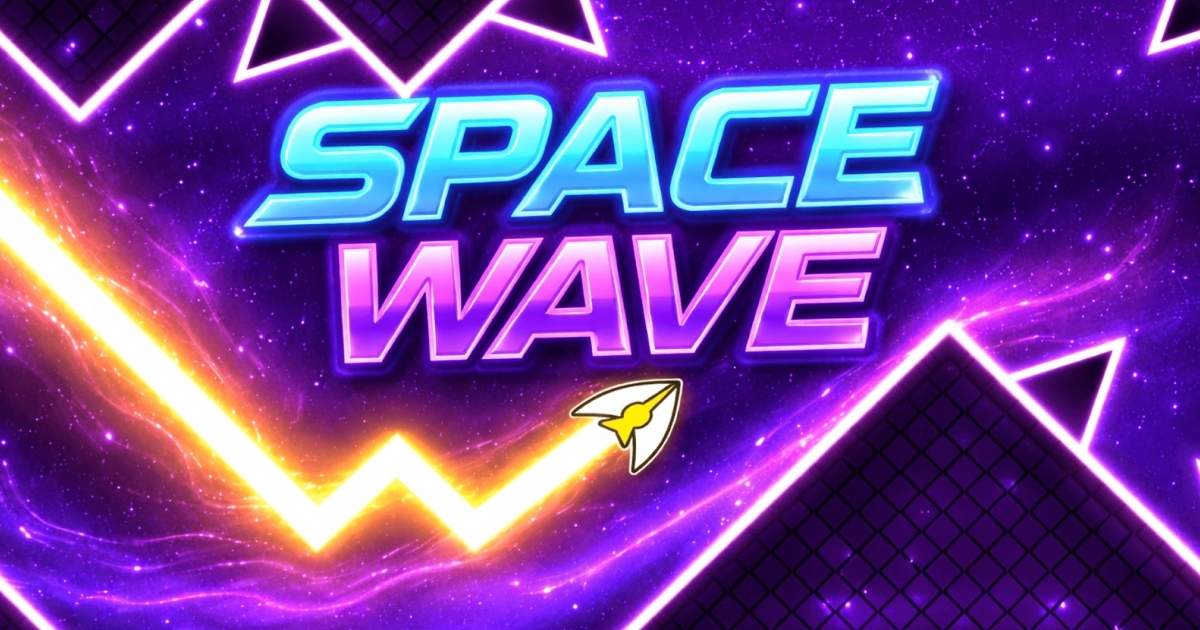
Tight spaces limit correction options in how to pass hard levels in Space Waves. Once the arrow is misaligned, recovery becomes difficult, increasing the chance of crashing.
Master micro-tapping for stable movement control
One of the most effective ways to improve performance is learning micro-tapping. Instead of holding inputs, players should use short and controlled taps.
Why holding movement causes overcorrection
Holding controls too long causes excessive upward movement. This often leads to hitting ceilings or losing alignment in narrow corridors.
Overcorrection is one of the most common reasons players fail hard levels.
How micro-taps improve precision
Micro-taps are essential when learning how to pass hard levels in Space Waves, as they allow small adjustments that keep movement stable. This technique helps players maintain better control in tight spaces and reduces unnecessary crashes.
Using proper input control is also part of Space Waves controls strategy fundamentals.
Stay centered to survive tight sections
Positioning is one of the most important survival skills in difficult levels. Staying near the center of the screen gives players more reaction time.
Benefits of center positioning
Center positioning allows equal movement options in both directions. It helps players react faster to sudden obstacle changes.
Risks of staying near edges
When players drift toward edges, they lose flexibility. This often results in being trapped with limited recovery options.
Use zigzag movement to pass narrow obstacles
Zigzag movement is essential when learning how to pass hard levels in Space Waves, as it allows players to maintain forward momentum while adjusting height precisely.
Navigating between upper and lower traps
In sections with alternating obstacles, continuous tapping creates a controlled zigzag pattern. This helps avoid collisions while maintaining smooth movement.
Maintaining forward stability
The key is not overreacting. Small controlled inputs are more effective than large movements that break rhythm and stability.
Timing and rhythm are key to how to pass hard levels in Space Waves
Timing plays a crucial role in success. Players must anticipate movement instead of reacting after obstacles appear.
Start movements before obstacles appear
The arrow does not change direction instantly in how to pass hard levels in Space Waves. Players must begin input slightly earlier to align correctly with upcoming gaps.
Sync with background music for better control
Many levels are designed with rhythm-based patterns. Following the music helps players maintain consistent timing and smoother navigation.
Improving timing consistency is closely related to Space Waves pro tips used by advanced players.
Memorize patterns to reduce reaction pressure
Hard levels often repeat obstacle sequences. Learning these patterns reduces the need for constant reaction-based gameplay.
Repeating difficult sections
Practicing the same section repeatedly helps build muscle memory. This improves accuracy and reduces mistakes over time.
Recognizing obstacle sequences
Once patterns are memorized, players can predict movements in advance. This significantly improves consistency in difficult stages.
Practice methods for consistent improvement
Structured practice is more effective when learning how to pass hard levels in Space Waves than random gameplay. Players should focus on specific skills instead of repeating full levels.
Start with easier levels first
Beginner-friendly levels help build foundational control skills. This creates a stable base before moving to harder challenges.
Focus on one skill per session
Each practice session should focus on a single improvement area such as timing, positioning, or control. Beginners can also benefit from best tips for beginners in Space Waves to strengthen fundamentals.
Common mistakes that prevent players from passing hard levels
Many players struggle not because of difficulty, but because of repeated bad habits. Identifying these mistakes is key to improvement.
Overcorrecting movements
Large and sudden corrections break stability in how to pass hard levels in Space Waves. Small adjustments are always more effective for maintaining control.
Reacting instead of predicting
Players who only react tend to be late. Prediction allows smoother and more accurate movement decisions.
FAQs
Why are hard levels in Space Waves so difficult?
They require precise timing, fast reaction control, and accurate positioning in narrow spaces.
What is the best strategy to pass hard levels?
Use micro-tapping, stay centered, follow rhythm, and memorize obstacle patterns consistently.
How can I improve faster?
Practice one skill at a time and repeat difficult sections instead of playing full levels randomly.
Final thoughts
Learning how to pass hard levels in Space Waves requires patience, consistency, and precise control. Players who master movement techniques and timing will find difficult levels much more manageable.
By applying structured practice and improving gradually, anyone can build the skills needed to complete even the hardest challenges in the game.