
How to avoid obstacles in Space Waves master survival skills
Avoiding obstacles in Space Waves is one of the most important skills for surviving longer runs and reaching higher scores. Every level is built around fast movement, narrow corridors, and unpredictable patterns that require both precision and timing.
This guide explains how to avoid obstacles in Space Waves in detail, focusing on rhythm control, anticipation, and movement discipline. These strategies help players reduce crashes and improve consistency in both early and advanced levels.
By mastering structured movement habits, players can transform chaotic reactions into smooth navigation and stable gameplay performance. This also improves overall control in Space Waves tips and helps build stronger reaction habits.
Understanding avoidance techniques is not just about surviving longer, but also about improving confidence and reducing panic during high-speed sections.
Why learning how to avoid obstacles in Space Waves matters
Every level in Space Waves is designed to test reaction speed and movement precision. Obstacles appear in tight sequences that require fast decision-making.

Without proper control, even small mistakes can lead to immediate failure. This makes obstacle avoidance one of the core survival mechanics in the game.
Learning how to avoid obstacles in Space Waves allows players to stay calm under pressure and respond more efficiently to sudden changes in direction. It also helps build consistency, which is essential for long runs and high-score attempts.
Core principle of obstacle avoidance in Space Waves
The main principle behind survival is controlled movement rather than fast reactions. Many beginners believe speed is the key, but precision is more important.
Space Waves uses continuous movement mechanics, meaning players must constantly adjust their position instead of stopping and restarting movement.
This is why structured input control is essential when learning how to avoid obstacles in Space Waves.
Once players understand this principle, gameplay becomes more predictable and less stressful.
Use short taps instead of holding controls
One of the most effective techniques for obstacle avoidance is using short, controlled taps instead of holding inputs for long periods. Holding controls often leads to overcorrection, causing the ship to crash into spikes or walls.
Short taps give players precise control over movement and allow quick adjustments in tight spaces. This technique is especially useful in advanced levels where reaction windows are extremely small.
Anticipation is key to survival
Anticipation is one of the most important skills in how to avoid obstacles in Space Waves. Instead of reacting at the last second, players should prepare movements early.
Most obstacle patterns follow predictable rhythms, especially in sections aligned with music or visual pacing. By recognizing these patterns early, players can adjust their movement smoothly without panic reactions.
This creates a significant advantage in fast-paced sections.
Stay centered for maximum reaction space
Keeping your ship centered provides the most flexibility when obstacles appear suddenly. If the ship stays too close to the top or bottom, movement options become limited and mistakes become more likely.
A centered position allows faster adjustments and improves stability during unpredictable sequences. This simple habit is one of the most effective ways to improve survival consistency.
Look ahead instead of focusing on your ship
Many players fail because they focus too closely on their ship instead of upcoming obstacles. Looking ahead gives the brain more time to process movement patterns and prepare actions in advance.
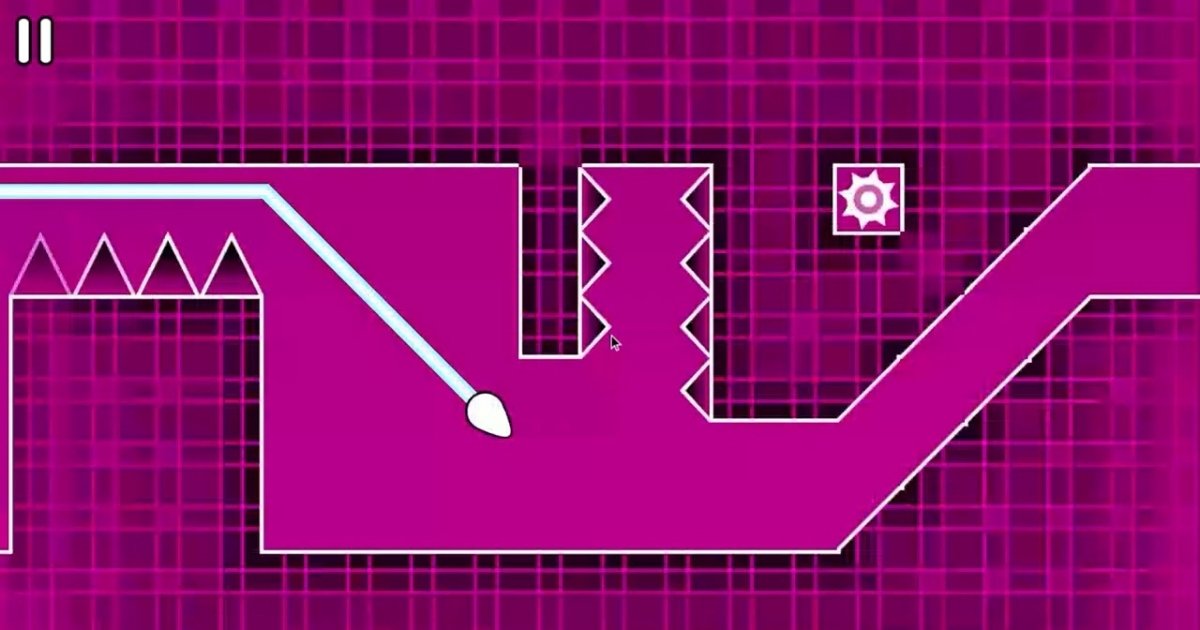
This reduces panic inputs and improves decision-making speed during fast sections. It is one of the most important mental habits in learning how to avoid obstacles effectively.
Use rhythm to improve obstacle prediction
Space Waves often follows rhythmic visual and audio patterns that can help players predict movement timing. By syncing inputs with rhythm, players can improve timing accuracy and reduce unexpected crashes.
This makes movement feel smoother and more natural over time. Rhythm awareness is especially useful in long survival runs.
Warm-up before difficult levels
Before entering high-speed sections, players should practice in easier modes to build control and consistency. Warm-up sessions help improve reflexes and prepare the mind for faster decision-making requirements.
This step reduces early mistakes and improves performance stability. Consistent warm-up habits are essential for improving long-term gameplay results.
Avoid common obstacle avoidance mistakes
Many players struggle due to repeated mistakes that can be corrected with awareness and practice. Common issues include spam clicking, over-holding inputs, and reacting emotionally instead of strategically.
Another major mistake is focusing only on the current obstacle instead of planning ahead. Fixing these habits significantly improves survival rates.
Advanced strategies for how to avoid obstacles in Space Waves
Advanced players rely on efficiency rather than speed. They reduce unnecessary movement and focus on precise timing.
At higher levels, prediction becomes more important than reaction speed alone.
These advanced strategies are often included in Space Waves tricks used by experienced players. With practice, movement becomes automatic and requires less conscious effort.
Reaction time and obstacle avoidance connection
Reaction time directly affects how well players can avoid obstacles in fast sections. Faster reactions allow quicker adjustments, but without control, they can still lead to mistakes.
Combining reaction training with structured movement improves overall consistency. Players who improve both skills tend to survive significantly longer.
Practice methods to master how to avoid obstacles in Space Waves
Consistent practice is the most effective way to improve obstacle avoidance skills. Players should focus on short sessions with controlled movement instead of long, unfocused runs.
Repetition builds muscle memory, which improves consistency over time. Applying these methods directly in Space Waves helps reinforce real gameplay skills.
Building long-term survival consistency
Long-term success in Space Waves comes from building habits rather than relying on quick reflexes. Once movement becomes automatic, players can focus more on patterns and rhythm instead of panic reactions.
This leads to smoother gameplay and fewer mistakes during long runs. Consistency is the ultimate goal of mastering obstacle avoidance.
FAQs
What is the best way to avoid obstacles in Space Waves?
Use short taps, stay centered, and always look ahead to predict upcoming patterns.
Why do I keep crashing in Space Waves?
Most crashes happen due to over-holding controls or reacting too late to obstacles.
Does rhythm help in obstacle avoidance?
Yes, rhythm improves timing and helps players predict movement patterns more effectively.
Should beginners focus on easy levels first?
Yes, easier levels help build control and reduce mistakes before moving to harder challenges.
Final thoughts
Learning how to avoid obstacles in Space Waves requires patience, control, and rhythm awareness rather than fast reactions alone. By applying structured movement, anticipation, and centered positioning, players can significantly improve survival rates.
With consistent practice in Space Waves, these skills become natural habits that enhance overall gameplay performance and stability.